
Meal Planning
Best Way To Organize Balanced Plates For Easier Leftovers
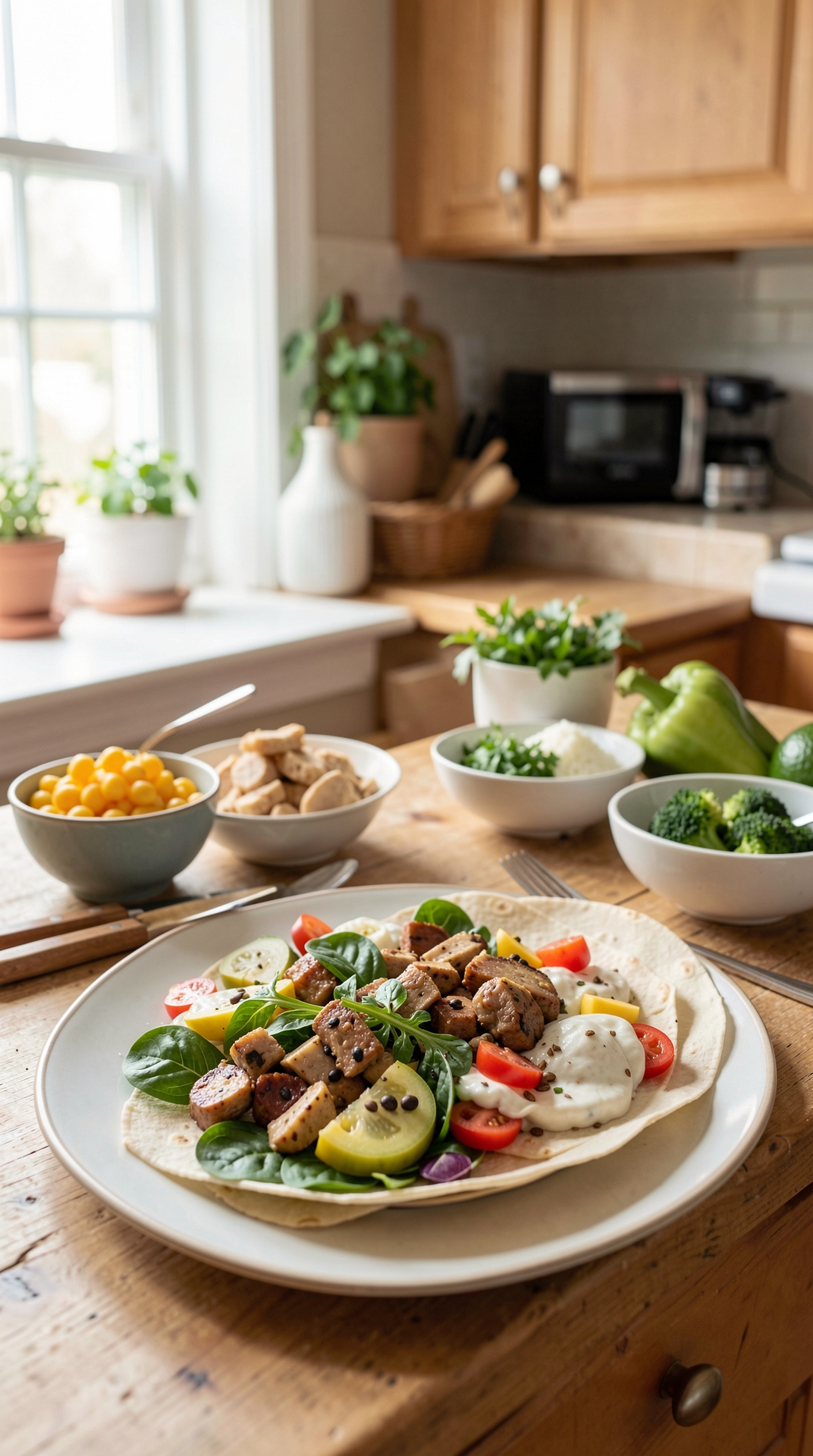
This guide explains the practical kitchen decisions that help cooks get better results with balanced plates, using realistic examples and repeatable routines.
Why cooks search for this topic
Most people look up balanced plates because something feels inconsistent. The same recipe behaves differently from one attempt to the next, or the result is decent but not dependable.
The fix is rarely a single magic tip. Better results come from understanding which decision matters most before you start cooking.
Once that decision becomes clear, everything else gets easier: prep order, heat level, seasoning rhythm, and how to adapt when ingredients are not ideal.
Core method to follow
Start by reading the recipe or method all the way through, then do the quiet setup that reduces pressure later. Measure key ingredients, choose the right pan, and decide what doneness you want before heat enters the picture.
That preparation sounds basic, but it solves a common problem: too many decisions happening in the middle of the cook. When those decisions pile up, timing slips and quality drops.
A calmer workflow gives you space to notice the signals that matter most, such as aroma changes, sound from the pan, surface color, and how quickly moisture is leaving the food.
Example in practice
Imagine you are preparing balanced plates on a Wednesday evening. Instead of starting cold and improvising, you set out the ingredients, choose the correct pan, and decide the finish before you begin. That single change compresses the number of in-the-moment decisions and gives you room to notice cues that would otherwise be missed.
Ingredients or tools that make the biggest difference
Helpful guidance around balanced plates should improve decision quality, not just add steps. Readers benefit most when the article explains which details deserve focus and which ones are only optional refinements.
That makes the process easier to adapt on busy days, especially when ingredients are limited or the meal has to fit into a larger weekly plan.
Smart cooks keep one or two backup adjustments in mind so they can rebalance acidity, richness, or texture without starting over.
When I evaluate a kitchen workflow for balanced plates, I look for decisions that save time without flattening the result. That usually means improving prep order, choosing tools that match batch size, and keeping ingredients flexible enough to work across more than one meal.
How to adapt for real-life schedules
Many kitchen frustrations come from treating a recipe like a script instead of a framework. The instructions matter, but the food still needs to be read as it cooks.
With balanced plates, visual cues are usually stronger than arbitrary timing. Color, surface moisture, thickness, and aroma reveal more than the clock when variables change.
If the dish feels off, simplify your response. Adjust one thing, taste again, and only then decide whether a second change is necessary.
Questions worth answering before you start
There is real value in knowing when to stop optimizing. A weeknight meal only needs to be good, practical, and repeatable enough to fit normal life.
If balanced plates supports your weekly routine, the best version may be the one that is easiest to make again with confidence.
Over time that consistency creates more room for creativity, because you are no longer spending all your energy on basic recovery and correction.
For a related practical workflow, see How To Store Beans For More Confident Substitutions. If you want a second angle on the same challenge, read Practical Guide To Freezer Meals For Simpler Cleanup.
FAQ
How can I improve balanced plates on a busy day?
Start with the one preparation step most likely to improve easier leftovers, keep the method compact, and avoid adding extra tasks that do not meaningfully change the result.
What usually goes wrong with
The most common problems come from misreading heat, timing, or moisture. Watch how the food looks and feels as it cooks instead of relying only on a fixed time.
Is balanced plates easier if I plan ahead?
Yes. Even a small amount of prep done in advance improves decision quality, reduces stress, and makes the final result easier to control.
Conclusion
The best results with balanced plates come from repeatable preparation, attention to cues, and realistic expectations. Once you match method to your kitchen routine, the process becomes simpler, more efficient, and easier to improve over time.