
Kitchen Organization
Easy Ways To Improve Spice Drawers For Clearer Kitchen Routines
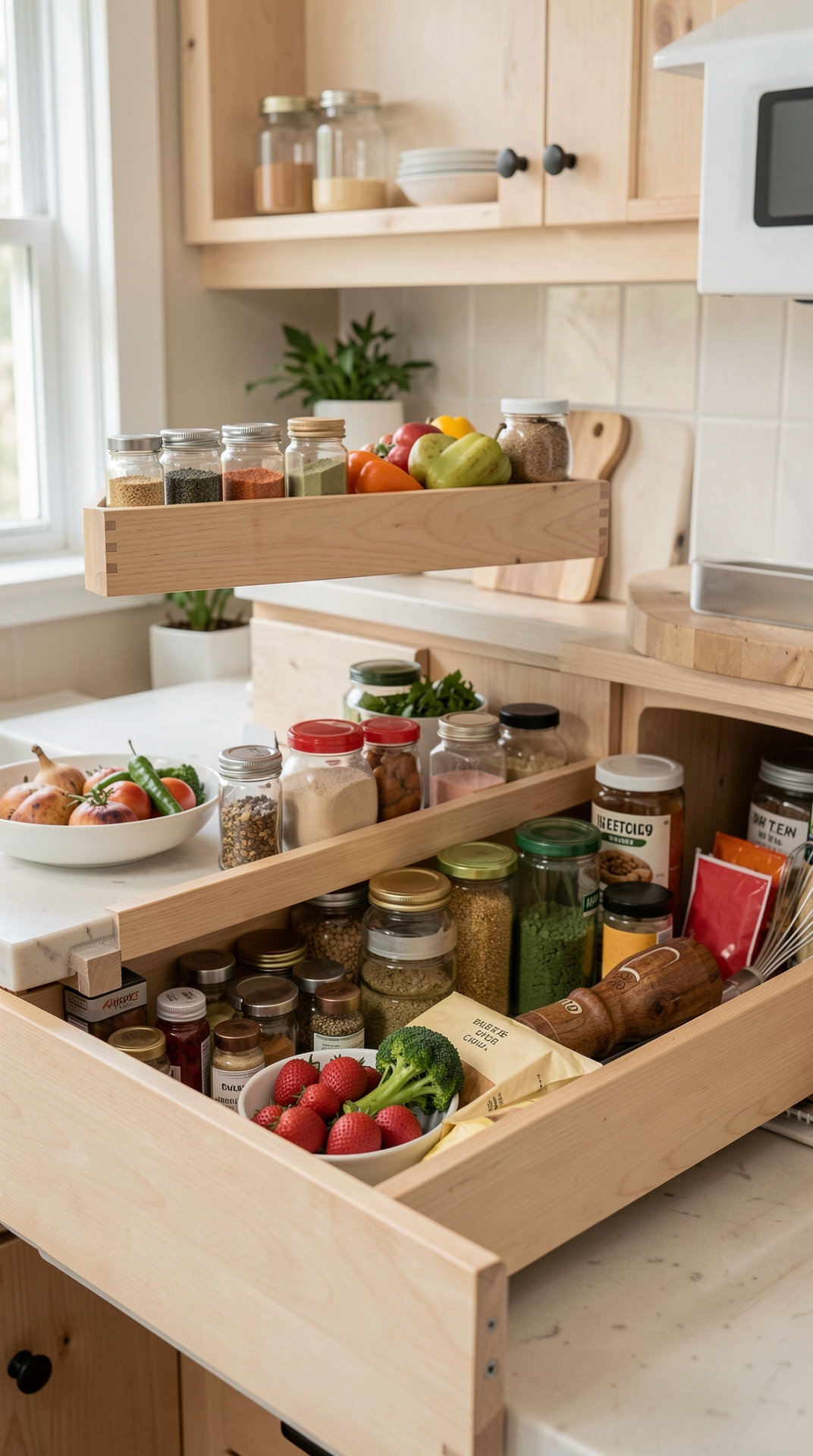
This guide explains the practical kitchen decisions that help cooks get better results with spice drawers, using realistic examples and repeatable routines.
What the topic actually solves
A strong article about spice drawers should help a reader make cleaner decisions, not drown them in vague inspiration. Home cooks need a route they can repeat when time, energy, and groceries are limited.
That repeatability is what turns scattered effort into actual skill. The more predictable the method becomes, the easier it is to improve flavor, texture, and timing.
Instead of chasing perfection, focus on the few variables that explain most outcomes: moisture, heat, timing, seasoning, and batch size.
How it works in a home kitchen
In a home kitchen, the method works best when each step reduces uncertainty for the next one. Prep supports cooking, cooking supports seasoning, and seasoning supports the final balance on the plate.
This is especially important with spice drawers, where small changes in heat or crowding can create a very different result from what the recipe promises.
Instead of following only the clock, use visual cues and texture checks. They travel better between kitchens than any exact minute count.
Example in practice
Imagine you are preparing spice drawers on a Wednesday evening. Instead of starting cold and improvising, you set out the ingredients, choose the correct pan, and decide the finish before you begin. That single change compresses the number of in-the-moment decisions and gives you room to notice cues that would otherwise be missed.
Best practices that hold up over time
The strongest improvements usually come from support choices rather than dramatic overhauls. Pan size, ingredient temperature, storage quality, and how much water is released during cooking all shape the end result.
For spice drawers, it helps to decide whether you are optimizing for flavor, speed, texture, or shelf life. Different goals deserve different tradeoffs.
A cook who wants weekday reliability may reasonably choose convenience ingredients, while a cook chasing stronger flavor may spend more effort on freshness and finishing.
When I evaluate a kitchen workflow for spice drawers, I look for decisions that save time without flattening the result. That usually means improving prep order, choosing tools that match batch size, and keeping ingredients flexible enough to work across more than one meal.
Common mistakes and quick fixes
One hidden mistake is assuming that doubling effort always doubles quality. In reality, a few targeted improvements usually outperform a more complicated process.
Another is forgetting that kitchen conditions shift day to day. Ingredients age, ovens drift, and cookware behaves differently depending on quantity.
That is why a solid troubleshooting method matters: pause, identify the likely cause, and make a controlled adjustment rather than stacking random fixes.
When to keep it simple
Think of this topic as one building block inside a broader kitchen system. It should make shopping, prep, leftovers, and cleanup easier rather than adding unnecessary friction.
That systems view matters because the real measure of a good method is whether it holds up under ordinary life: late evenings, partial ingredients, and imperfect focus.
When a process still works under those conditions, it is usually worth keeping.
For a related practical workflow, see How To Improve Sheet Cakes For Better Texture. If you want a second angle on the same challenge, read How To Master Braising Beef For Better Browning.
FAQ
How can I improve spice drawers on a busy day?
Start with the one preparation step most likely to improve clearer kitchen routines, keep the method compact, and avoid adding extra tasks that do not meaningfully change the result.
What usually goes wrong with
The most common problems come from misreading heat, timing, or moisture. Watch how the food looks and feels as it cooks instead of relying only on a fixed time.
Is spice drawers easier if I plan ahead?
Yes. Even a small amount of prep done in advance improves decision quality, reduces stress, and makes the final result easier to control.
Conclusion
The best results with spice drawers come from repeatable preparation, attention to cues, and realistic expectations. Once you match method to your kitchen routine, the process becomes simpler, more efficient, and easier to improve over time.