
Cooking Techniques
How To Master Braising Beef For More Flavor Development
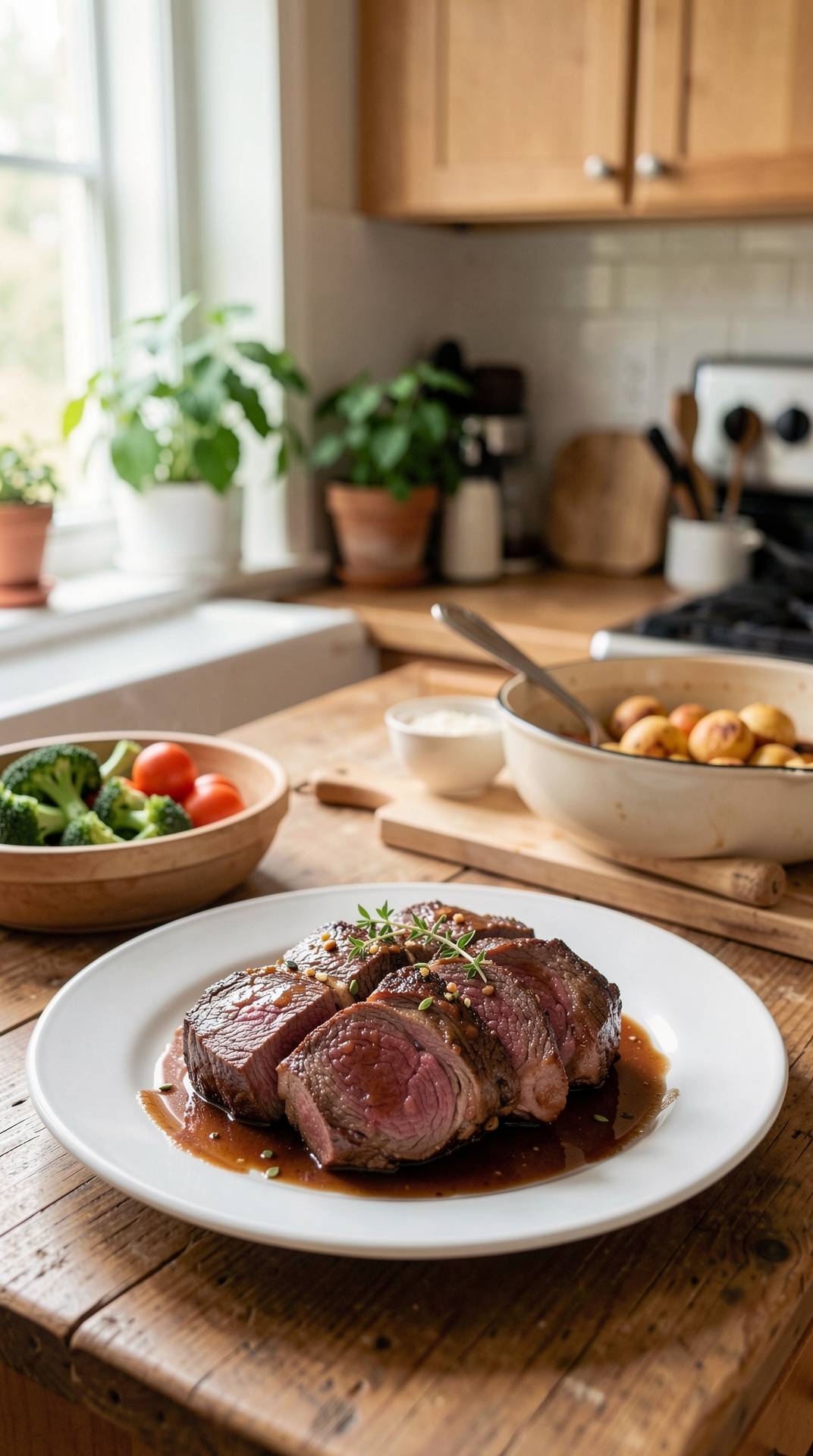
This guide explains the practical kitchen decisions that help cooks get better results with braising beef, using realistic examples and repeatable routines.
What success looks like
Most people look up braising beef because something feels inconsistent. The same recipe behaves differently from one attempt to the next, or the result is decent but not dependable.
The fix is rarely a single magic tip. Better results come from understanding which decision matters most before you start cooking.
Once that decision becomes clear, everything else gets easier: prep order, heat level, seasoning rhythm, and how to adapt when ingredients are not ideal.
Preparation steps that matter
A reliable routine for braising beef begins with sequencing. Do the low-pressure work first, keep the active steps uncluttered, and leave room for one or two small adjustments near the end.
Cooks often assume they need better ingredients when the real need is better order of operations. Once prep and timing improve, even ordinary ingredients usually perform better.
That is also why scale matters. The same formula behaves differently in a crowded pan, a deeper baking dish, or a doubled batch with less airflow.
Example in practice
Imagine you are preparing braising beef on a Wednesday evening. Instead of starting cold and improvising, you set out the ingredients, choose the correct pan, and decide the finish before you begin. That single change compresses the number of in-the-moment decisions and gives you room to notice cues that would otherwise be missed.
Technique details most people skip
Helpful guidance around braising beef should improve decision quality, not just add steps. Readers benefit most when the article explains which details deserve focus and which ones are only optional refinements.
That makes the process easier to adapt on busy days, especially when ingredients are limited or the meal has to fit into a larger weekly plan.
Smart cooks keep one or two backup adjustments in mind so they can rebalance acidity, richness, or texture without starting over.
When I evaluate a kitchen workflow for braising beef, I look for decisions that save time without flattening the result. That usually means improving prep order, choosing tools that match batch size, and keeping ingredients flexible enough to work across more than one meal.
How to troubleshoot the result
The most common mistake is rushing the setup and then trying to rescue the dish later. That usually leads to uneven cooking, weak browning, or overcorrection with salt and acid.
Another problem is using the wrong benchmark for doneness. Recipes can suggest timing, but your pan, oven, and ingredient brand all shift how quickly the food behaves.
Troubleshooting works best when you change one variable at a time. That way you learn what actually fixed the issue instead of guessing.
How this fits into weekly meal planning
There is real value in knowing when to stop optimizing. A weeknight meal only needs to be good, practical, and repeatable enough to fit normal life.
If braising beef supports your weekly routine, the best version may be the one that is easiest to make again with confidence.
Over time that consistency creates more room for creativity, because you are no longer spending all your energy on basic recovery and correction.
For a related practical workflow, see Practical Guide To Balanced Plates For More Variety At Dinner. If you want a second angle on the same challenge, read Best Uses For Olive Oil For Safer Food Handling.
FAQ
How can I improve braising beef on a busy day?
Start with the one preparation step most likely to improve more flavor development, keep the method compact, and avoid adding extra tasks that do not meaningfully change the result.
What usually goes wrong with
The most common problems come from misreading heat, timing, or moisture. Watch how the food looks and feels as it cooks instead of relying only on a fixed time.
Is braising beef easier if I plan ahead?
Yes. Even a small amount of prep done in advance improves decision quality, reduces stress, and makes the final result easier to control.
Conclusion
The best results with braising beef come from repeatable preparation, attention to cues, and realistic expectations. Once you match method to your kitchen routine, the process becomes simpler, more efficient, and easier to improve over time.