
Cooking Techniques
How To Master Roasting Vegetables For Better Browning
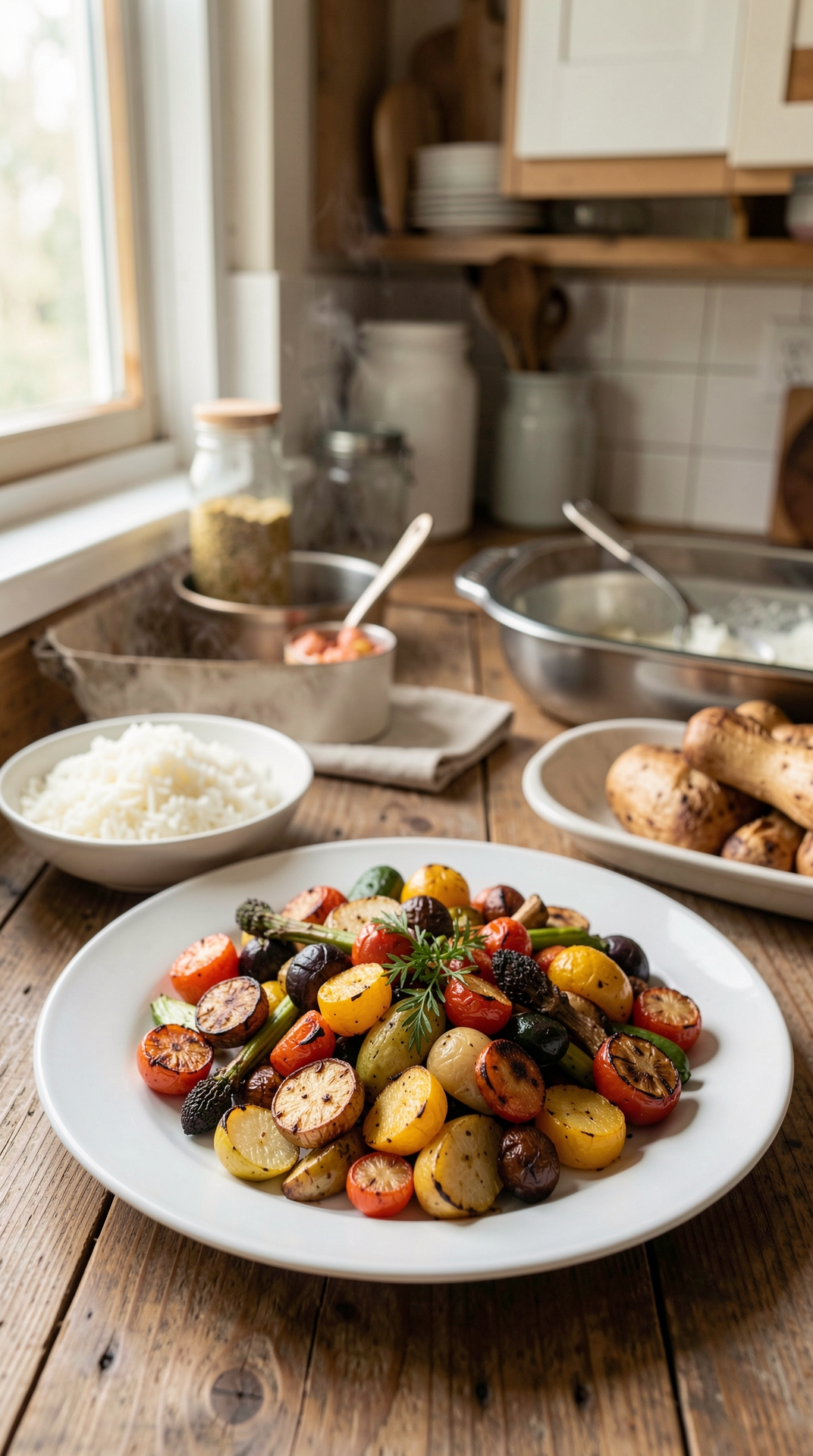
One useful way to think about roasting vegetables is that the cook defines what matters most before chasing extra complexity. Everything here is organized to help you cook with more control and less guesswork.
The baseline approach
roasting vegetables becomes easier once you define what success looks like in your own kitchen. For some cooks that means better texture. For others it means a lower-stress routine that works on ordinary weekdays.
Search intent around this topic is practical, not theoretical. Readers usually want a method that saves time, limits waste, and still produces food they would gladly make again.
That is why the best approach starts with context: schedule, equipment, ingredient quality, and how much variation your household will actually tolerate.
How experienced home cooks think about it
The practical version of this topic is less about memorizing instructions and more about building a rhythm you can trust. Prep first, heat properly, add ingredients in a sensible order, and check the result before over-correcting it.
When that rhythm is missing, recipes feel harder than they really are. When it is present, you can improvise more confidently and recover from small mistakes without panic.
That is why experienced home cooks spend so much effort on setup, not because setup is glamorous, but because it protects the final result.
Example in practice
Imagine you are preparing roasting vegetables on a Wednesday evening. Instead of starting cold and improvising, you set out the ingredients, choose the correct pan, and decide the finish before you begin. That single change compresses the number of in-the-moment decisions and gives you room to notice cues that would otherwise be missed.
Tradeoffs between convenience and flavor
A practical kitchen strategy should always answer two questions: what matters most here, and what can safely stay simple. With roasting vegetables, the answer changes depending on whether the dish depends on structure, browning, moisture retention, or aroma.
This is where ingredient judgment becomes useful. Freshness matters more for some components than others, and not every premium ingredient creates a meaningful improvement in the final bite.
The goal is not to spend more. The goal is to spend attention where it changes the outcome.
When I evaluate a kitchen workflow for roasting vegetables, I look for decisions that save time without flattening the result. That usually means improving prep order, choosing tools that match batch size, and keeping ingredients flexible enough to work across more than one meal.
Small adjustments that improve results
A second recurring mistake with roasting vegetables is crowding the process. Too much food in one pan, too much liquid in one stage, or too many simultaneous decisions usually pushes quality in the wrong direction.
Seasoning can also drift if it is saved entirely for the end. Balanced food is usually built in layers rather than corrected all at once.
If a result keeps missing the mark, document the last successful attempt. Tiny notes about pan size, heat level, or resting time are often more useful than re-reading the same recipe.
A realistic routine you can maintain
The long-term win is not mastering a single version of roasting vegetables. It is building judgment you can transfer to other dishes, other weeks, and other kitchen constraints.
Once the method becomes dependable, you can simplify shopping, repeat ingredient overlaps, and reduce decision fatigue across the week.
That is also where good meal planning becomes more valuable than perfectionism. A repeatable system usually outperforms a one-time ideal result.
For a related practical workflow, see How To Master Roasting Vegetables For Better Texture Every Time. If you want a second angle on the same challenge, read Step-By-Step Guide To Roasting Vegetables For Better Browning.
FAQ
How can I get better results with roasting vegetables on a busy day?
Start with the one preparation step most likely to support better results, keep the method compact, and avoid adding extra tasks that do not meaningfully change the final dish.
What usually goes wrong with roasting vegetables?
The most common problems come from misreading heat, timing, or moisture. Watch how the food looks and feels as it cooks instead of relying only on a fixed time.
Is roasting vegetables easier if I plan ahead?
Yes. Even a small amount of prep done in advance improves decision quality, reduces stress, and makes the final result easier to control.
Conclusion
The best results with roasting vegetables come from repeatable preparation, attention to cues, and realistic expectations. Once you match method to your kitchen routine, the process becomes simpler, more efficient, and easier to improve over time.