
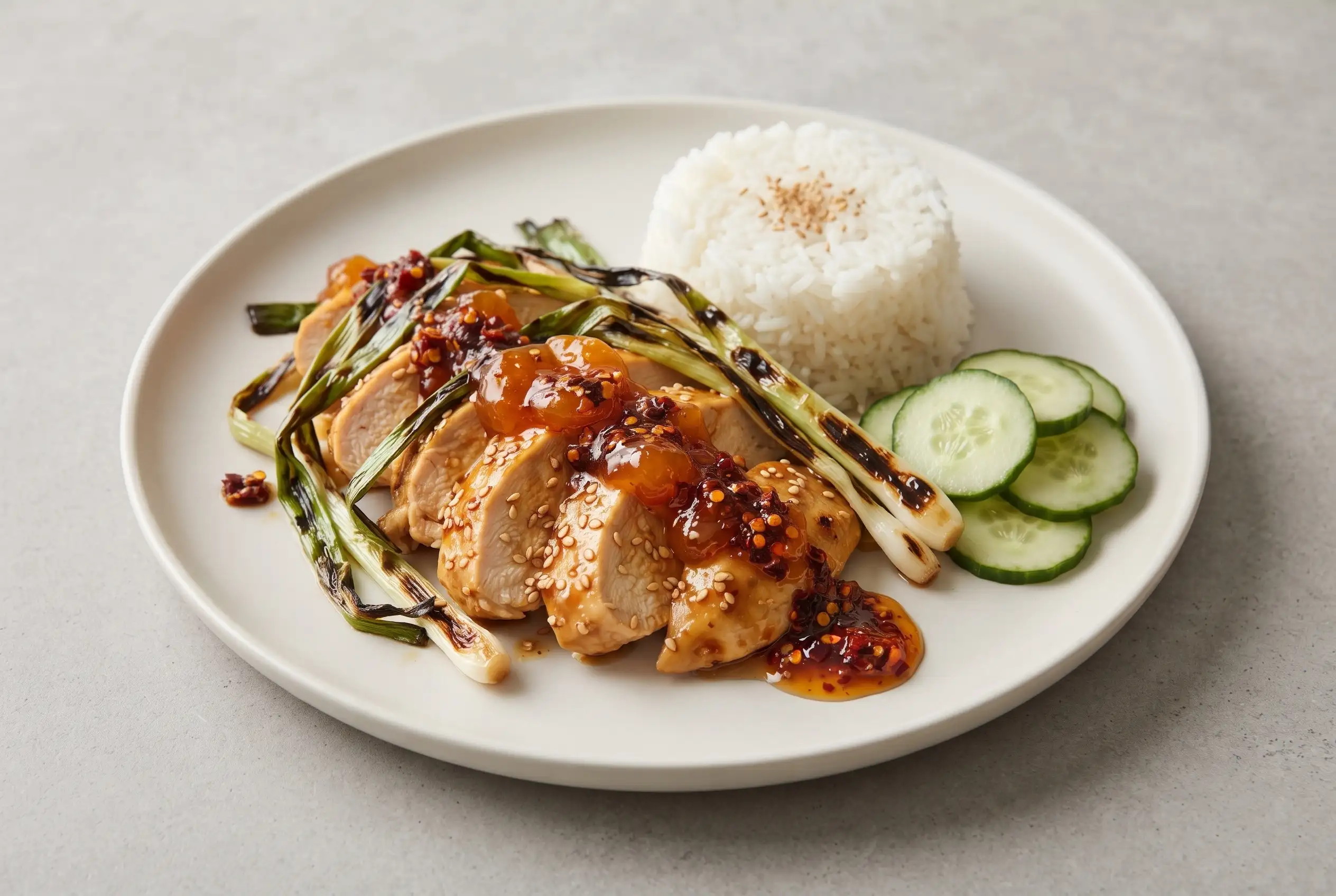
Sesame apricot chicken brings together savory soy sauce, toasted sesame oil, sweet apricot preserves, and smoky charred scallions in a fast baked dish built around contrast. Thin pieces of chicken breast cook quickly under high heat while the scallions develop browned edges that add depth to every bite.
The combination works because each finishing element arrives at a different moment. The chicken absorbs the salty sesame seasoning during baking, the scallions pick up roasted flavor from the oven and broiler, and the apricot-chili crisp topping creates a glossy balance of sweetness, spice, and richness.
Sesame Apricot Chicken balances sweet, savory, and smoky layers
Sesame apricot chicken is centered on a simple flavor structure that feels both familiar and distinctive. Soy sauce supplies a savory foundation, sesame oil gives the chicken a nutty aroma, and apricot preserves create a bright fruit-based finish that keeps the dish from tasting heavy.
Unlike sauces that require long simmering, the topping is added after the chicken has already developed roasted flavor. This keeps the apricot character fresh and allows the chili crisp to remain noticeable instead of disappearing into a cooked sauce.
Across the plate, the charred scallions are more than a garnish. Their browned edges bring a slightly smoky quality that connects the sweet topping with the seasoned chicken, making chicken with charred scallions a complete combination instead of separate ingredients placed together.
Apricot preserves and sesame oil shape the dish’s signature flavor
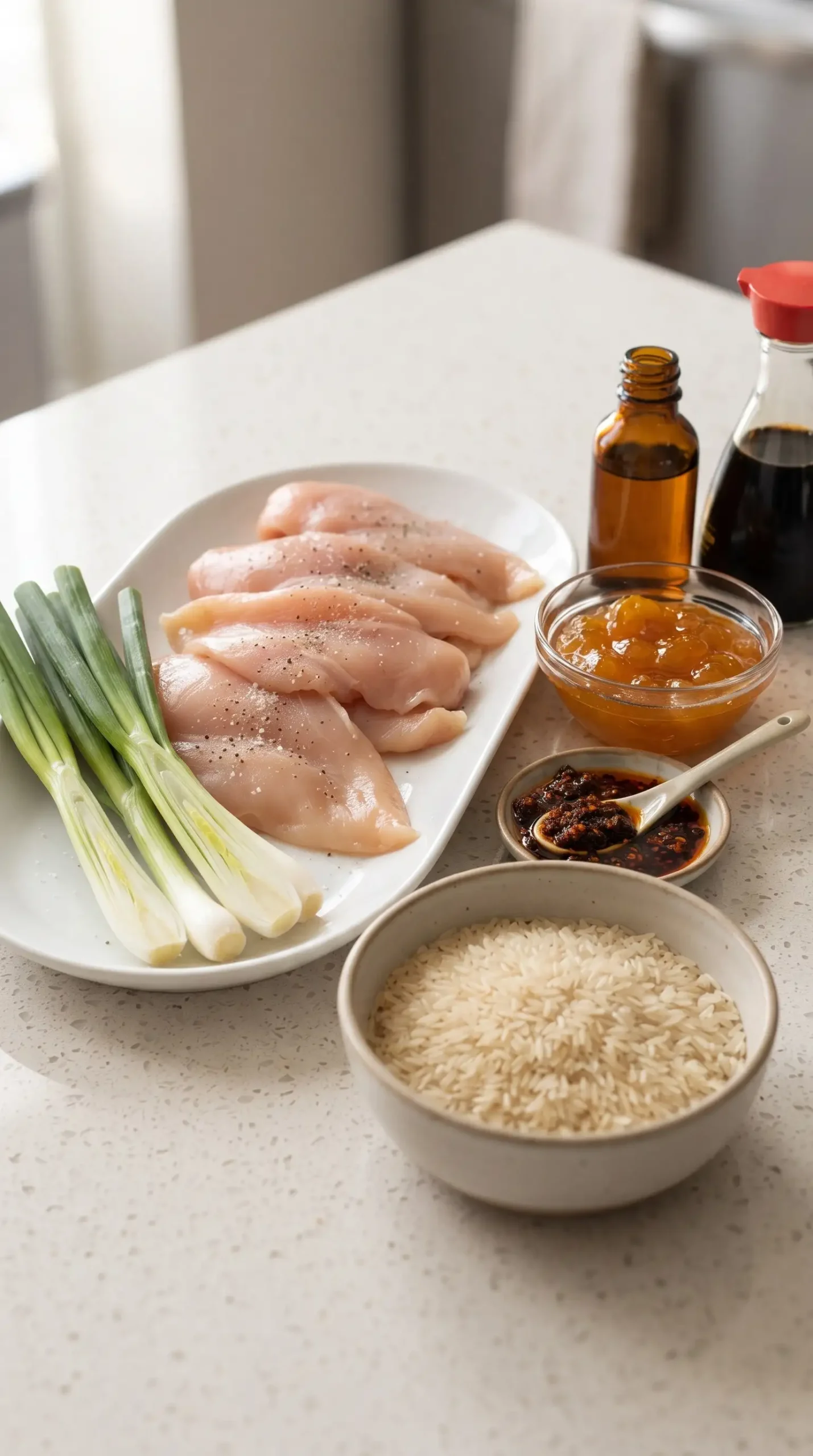
Ingredient choices matter most in this preparation because there are only a few major components. Toasted sesame oil should stay prominent but balanced, while reduced-sodium soy sauce provides seasoning without overwhelming the fruit-based finish.
| Ingredient focus | Role in the dish | Useful cooking consideration |
|---|---|---|
| Toasted sesame oil | Adds nutty aroma and richness | Use enough to coat the chicken and scallions without masking other flavors |
| Apricot preserves | Creates sweetness and a glossy finish | Add after cooking so the fruit flavor stays bright |
| Chili crisp | Introduces heat and texture | Adjust the amount based on preferred spice level |
Freshly cracked pepper also plays an important supporting role. The peppery notes help connect the savory seasoning with the sweet apricot topping, especially when the chicken is served with plain rice.
Charred scallions create the defining roasted finish
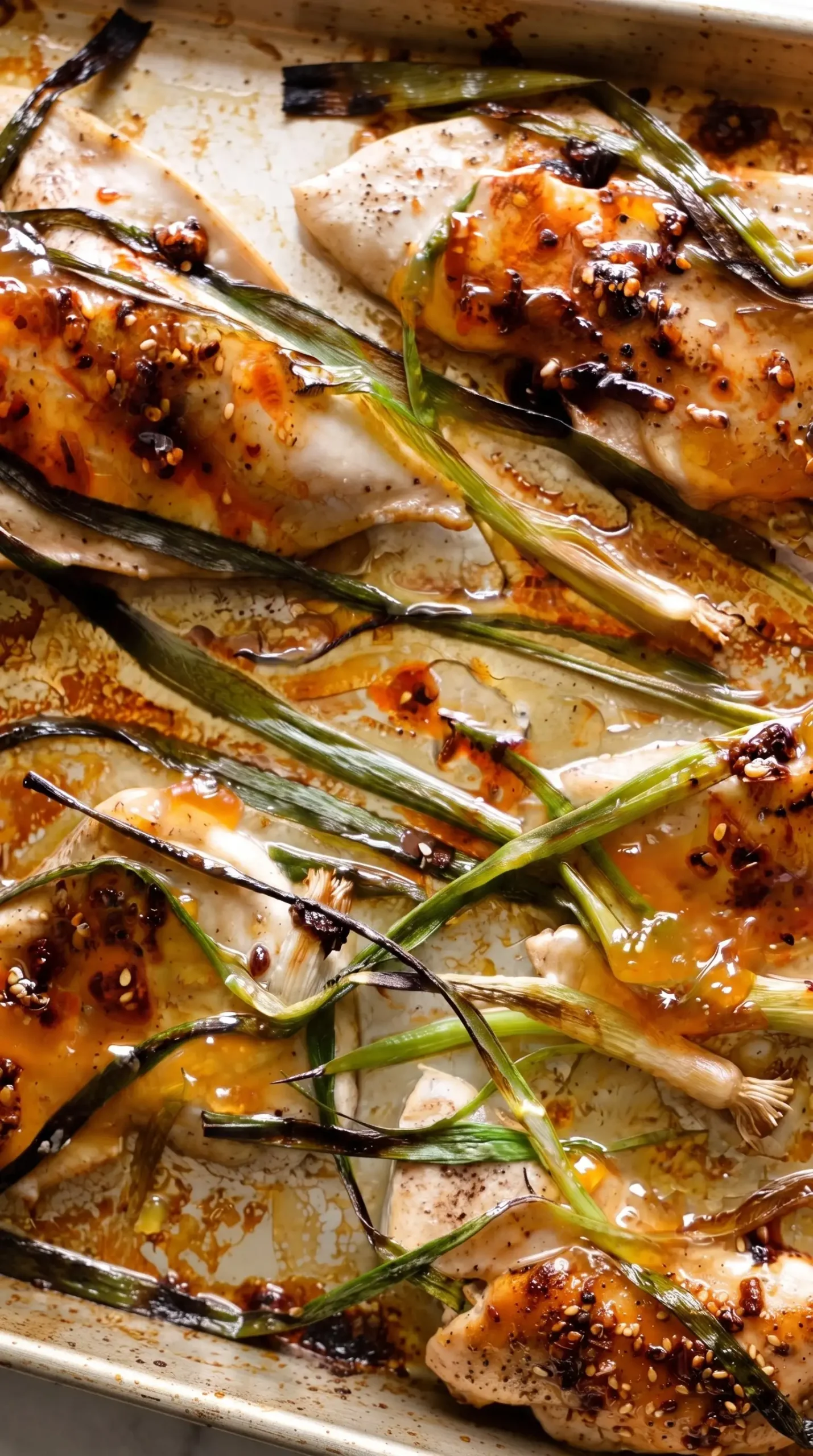
Scallions sliced lengthwise expose more surface area to heat, allowing their layers to soften while the outer edges develop color. The broiler step gives them concentrated roasted notes that would not appear from simply warming them.
Several details affect the scallion texture. Keeping them on top of the chicken allows them to receive direct heat while also absorbing some of the seasoned juices underneath. A small amount of browning adds complexity without turning them dry.
- Lengthwise cuts: Increase contact with heat and create tender ribbons.
- Top placement: Helps the scallions roast while sharing flavor with the chicken.
- Quick broiling: Adds charred edges without requiring a separate cooking step.
High oven heat controls the baked sesame apricot chicken texture
Successful baked sesame apricot chicken depends on controlling thickness, heat exposure, and finishing time. Cutting the chicken breast horizontally into thinner pieces helps the meat cook evenly during the short high-temperature bake.
Placing the oven rack in the upper portion of the oven increases the direct heat reaching the chicken and scallions. The broiler then provides a finishing burst that encourages light charring on the scallions while completing the cooking process.
Checking that the chicken reaches 165°F (74°C) before serving remains essential. The surface color of the scallions is not a reliable indicator of chicken doneness, so the meat itself should guide the final decision.
Rice and cucumbers complete the sesame apricot chicken plate
Rice provides a neutral base that absorbs the flavorful juices from the chicken and scallions. Serving the meal with chicken and rice bowls keeps the focus on balanced portions of seasoned protein, grains, and fresh toppings without competing with the main ingredients.
Common mistakes can dull sesame apricot chicken’s bright finish
Small choices can change the balance of sesame apricot chicken. Avoiding a few common issues keeps the dish closer to its intended sweet-savory profile.
| Potential issue | Why it happens | Better approach |
|---|---|---|
| Scallions lack color | Insufficient exposure to top heat | Use the broiler briefly to create browned edges |
| Fruit flavor feels muted | Apricot preserves added too early | Spoon the topping on after cooking |
| Chicken cooks unevenly | Pieces have different thicknesses | Slice horizontally into thinner portions |
Another common mistake is covering the chicken with too much topping before the heat has finished its work. Keeping the apricot chicken with chili crisp finish as a post-bake addition preserves the contrast between roasted meat and fresh sweetness.
Thin chicken slices improve every bite of this baked dish
Chicken breast can become uneven when thicker sections remain attached to thinner areas. Horizontal slicing creates flatter pieces that can receive seasoning more consistently and cook at a similar pace.
Careful slicing also improves serving texture. Each piece can hold some of the sesame-soy seasoning while remaining easy to pair with rice, vegetables, or extra pan juices.
Chili crisp changes the personality of apricot chicken with chili crisp
Chili crisp brings heat, texture, and savory notes that make the sweet apricot topping feel more balanced. The amount added at the end can be adjusted easily, making the dish suitable for different spice preferences.
Because chili crisp varies between brands, the texture and intensity may differ. A smaller amount allows the sesame oil and apricot preserves to remain clear, while additional spoonfuls create a stronger spicy finish.
Cucumber sides add freshness to the warm sesame chicken
Cucumbers provide a cool contrast to the warm chicken and roasted scallions. Their crisp texture creates a refreshing element beside the softer rice and tender meat.
Simple vegetable pairings work well here because the main dish already contains strong flavors. Fresh vegetables can support the meal without adding another complicated sauce or seasoning layer.
Serving choices highlight the chicken’s pan juices
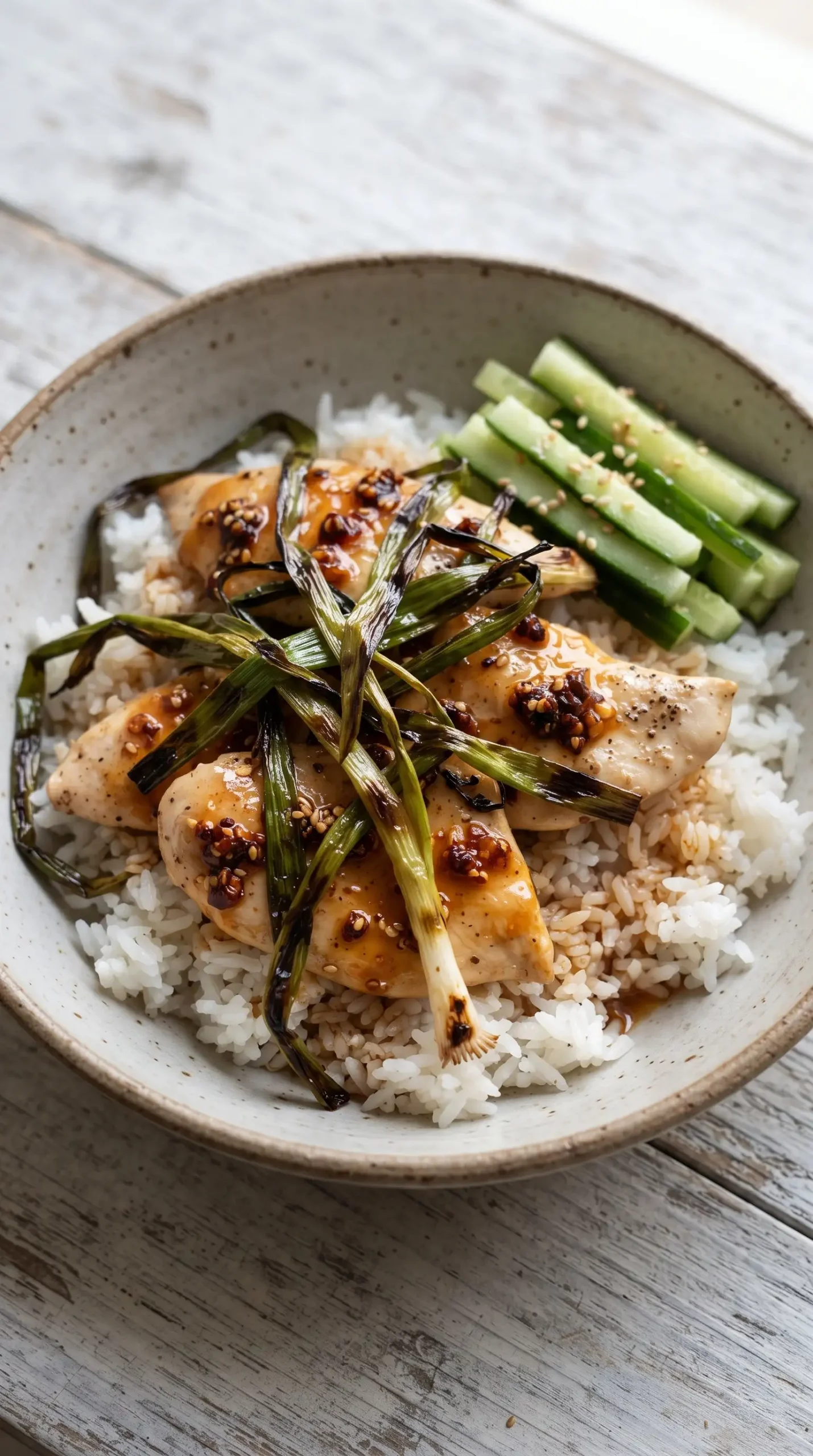
Serving sesame apricot chicken with rice allows the savory juices from the pan to become part of the meal. Extra drizzles of sesame oil and soy sauce can be used carefully when a deeper seasoning note is desired.
- Start with rice: Use it as a base for collecting flavorful juices.
- Add chicken pieces: Keep the charred scallions visible for texture and aroma.
- Finish thoughtfully: Spoon remaining juices over the plate for added flavor.
Simple adjustments keep the recipe flexible
The core idea of sesame apricot chicken can adapt to different meal preferences while keeping the main flavor direction intact. Additional vegetables can be served alongside the rice, and the spice level can be modified through the chili crisp amount.
Different rice varieties may change the eating experience, but the sweet sesame and scallion combination remains the central feature. Keeping the supporting elements simple helps the chicken stay the focus.
Storage and reheating preserve the chicken’s flavor
Leftover chicken can be stored carefully and reheated until warmed through. Keeping the rice and chicken separate can help maintain better texture, especially when the scallions are meant to retain some roasted character.
Sesame Apricot Chicken delivers maximum flavor through simple heat control
Sesame apricot chicken succeeds because high heat develops the chicken and scallions quickly while the finishing ingredients remain bright. The roasted edges, glossy apricot topping, and sesame seasoning depend on timing, with each element contributing a distinct part of the finished plate.
The charred scallions and warm pan juices show how a straightforward cooking approach can create layered flavor. When the chicken is sliced evenly and finished with apricot preserves and chili crisp at the right moment, the dish keeps its balance of sweetness, spice, and savory depth.
Questions About Sesame Apricot Chicken Troubleshooting
Can sesame apricot chicken be made less spicy?
Yes. Reduce the amount of chili crisp added at serving time or leave it off individual portions. The apricot preserves and sesame seasoning will still provide the main flavor character without the extra heat.
Why do the scallions need to be cooked on top of the chicken?
Keeping the scallions on top exposes them to stronger heat while allowing them to pick up some of the seasoned moisture from the chicken below. This helps create soft centers with lightly charred edges.
Can I use another vegetable with this chicken?
Yes. Vegetables that provide freshness or a mild flavor can work well alongside the chicken. Cucumbers are especially suitable because their crisp texture contrasts with the warm roasted components.
How can I prevent chicken breast from drying out?
Cutting the chicken into thinner horizontal pieces and avoiding unnecessary extra cooking time helps maintain moisture. Checking the internal temperature near the end of cooking also helps prevent overcooking.
What makes the apricot topping work with soy sauce?
The apricot preserves add sweetness and fruit brightness that balances the salty savory notes from soy sauce. Together with sesame oil and chili crisp, they create a layered finish instead of a single dominant flavor.
Sesame Apricot Chicken with Scallions and Chili Crisp
Ingredients
Method
- Preheat the oven to 450°F (232°C) and position an oven rack in the top third of the oven.
- Slice the scallions in half lengthwise.
- Slice the chicken breasts horizontally into thinner pieces. Arrange the chicken on a sheet pan, season with salt and pepper, then drizzle the sesame oil and soy sauce over the chicken.
- Coat the scallions with some of the oil from the pan mixture.
- Place the scallions over the chicken and bake on the upper oven rack for 6 minutes.
- Switch the oven to broil and cook for 1-2 minutes, until the chicken reaches 165°F (74°C) and the scallions develop a small amount of charring.
- Spoon apricot preserves and chili crisp over each chicken piece immediately after cooking.
- Serve the chicken with the charred scallions and rice, spooning pan juices over the top or adding extra sesame oil and soy sauce if desired.