
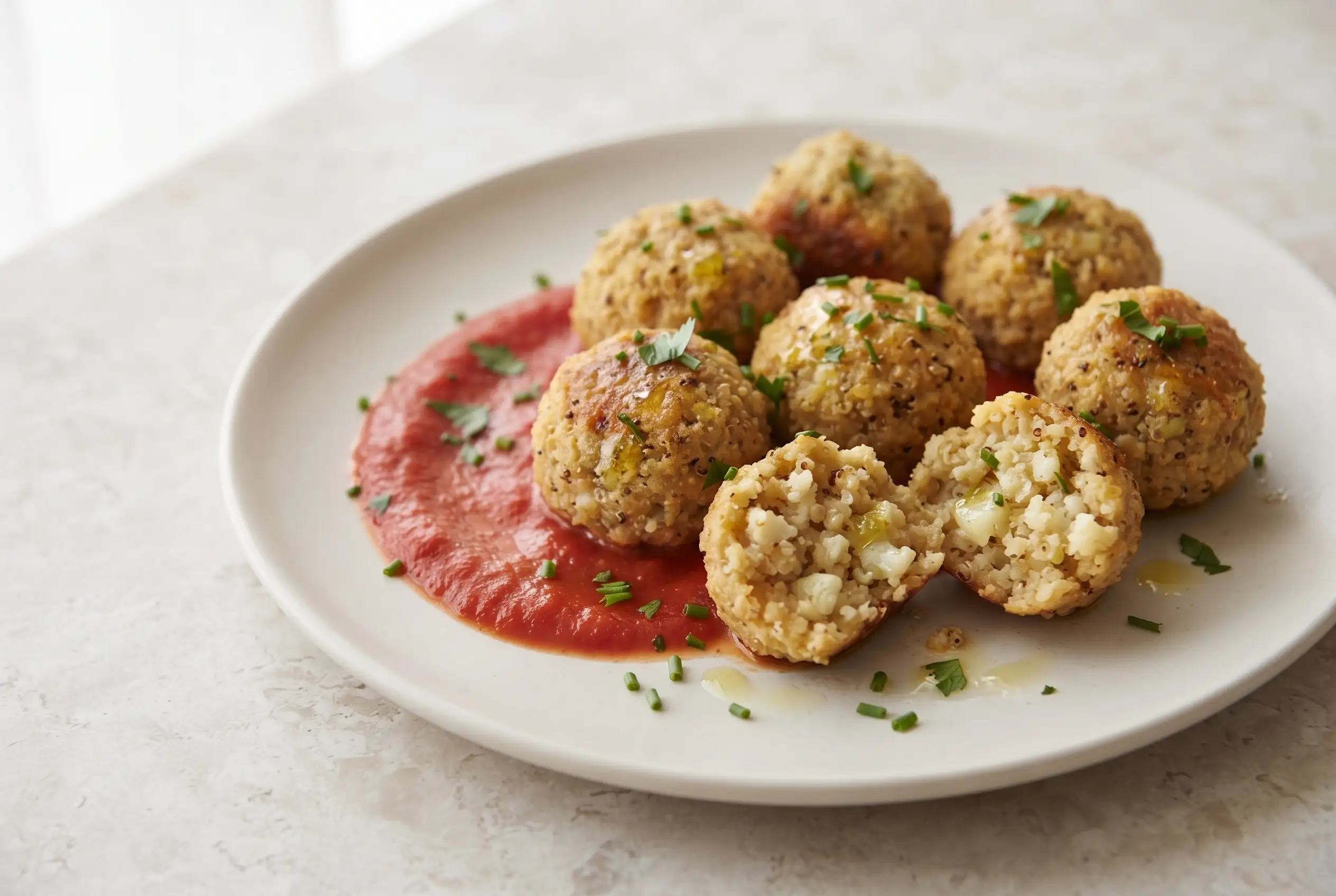
Vegetarian meatballs can be deeply satisfying without becoming a complicated project. Cauliflower rice, cooked quinoa or brown rice, panko, eggs, and a few warm spices come together into tender little rounds with crisp edges after a short bake. The mixture is especially useful when you want a vegetable-forward centerpiece for pasta, grain bowls, salads, or a sauce-heavy dinner without spending all evening in the kitchen.
Cauliflower and grains create the right meatball texture
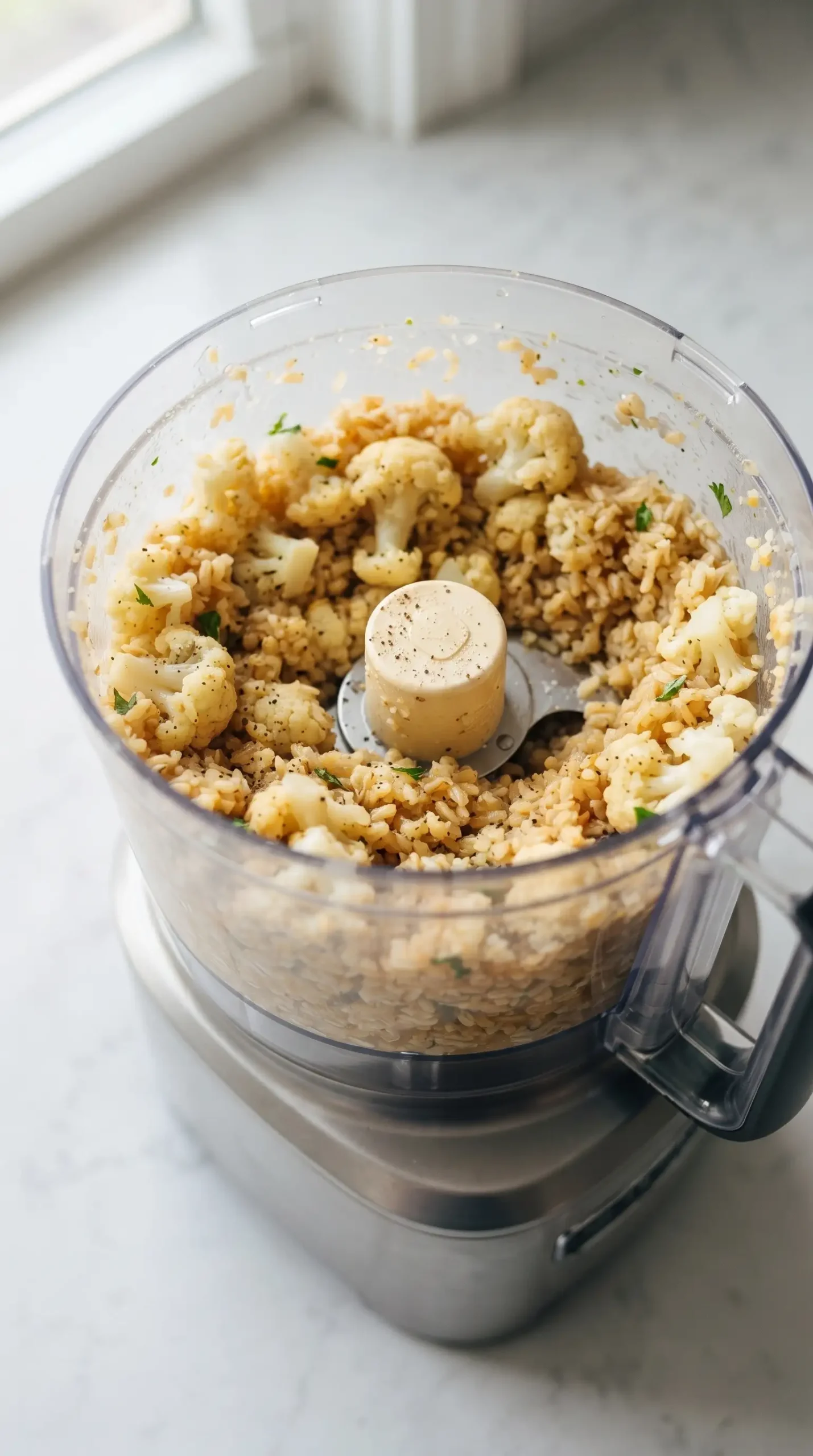
Texture starts before the mixture ever reaches the oven. Cauliflower needs to become tender enough to blend with the cooked grain, while the quinoa or brown rice should be warm and soft. A brief pulse in the food processor turns those ingredients into a cohesive base while leaving enough texture for the finished balls to feel substantial.
For a reliable starting point, steam cauliflower for about 3 minutes, checking that it is crisp-tender before processing it with the cooked grain.
Stopping at a semi-smooth consistency is important. A completely puréed mixture can lose some of the texture that makes a vegetable meatball pleasant to bite into, while large pieces can make shaping difficult and cause the balls to break apart. Look for a mixture that holds together when pressed between your fingers but still shows small bits of cauliflower and grain.
Once the processed mixture reaches that stage, panko and eggs finish the structural work. The breadcrumbs absorb some of the available moisture, and the eggs help the shaped balls set as they bake. That combination is what allows cauliflower quinoa meatballs to stay together without requiring a heavy flour-based binder.
Warm cooked grains make the mixture easier to bind
Temperature has a practical role here. Warm cauliflower and warm cooked rice or quinoa are softer and easier to process into a unified mixture, so they can be incorporated with less effort. If the ingredients have cooled substantially, give them a little time to soften before pulsing and mixing.
| Base choice | Preparation | Texture consideration |
|---|---|---|
| Cauliflower rice | Steam until tender | Easy to pulse into the grain mixture |
| Cauliflower florets | Boil until tender, then drain | Needs thorough draining before processing |
| Cooked quinoa | Use warm and soft | Creates a slightly textured interior |
| Cooked brown rice | Use warm and soft | Gives the mixture a hearty, cohesive base |
Spices should support the cauliflower without dominating it
Chili powder, paprika, and cumin all work with the mild cauliflower-and-grain base, and they can be adjusted to suit the sauce or meal surrounding the vegetarian meatballs. Salt matters just as much because the mixture itself is relatively mild. Season before shaping so every portion carries the same seasoning.
Moisture determines whether the balls hold their shape
Cauliflower contains a meaningful amount of water, which is why its preparation deserves attention. Steamed cauliflower rice should be tender without becoming excessively wet, while boiled florets need to be drained well before they enter the food processor. Excess water can make the mixture loose and difficult to roll.
After processing, judge the mixture by feel instead of adding extra ingredients automatically. A heaping tablespoon-sized portion should compress into a ball when gently squeezed. If it feels wet and slides apart immediately, give the panko time to absorb moisture as you stir and assess the mixture again before shaping.
On the other hand, a mixture that feels dry and crumbly will not roll cleanly. Mixing thoroughly helps distribute the eggs and breadcrumbs throughout the cauliflower-and-grain base. The desired texture is moist enough to pack together but firm enough to release from your hands as a formed ball.
Small portions make these vegetarian meatballs easier to bake evenly
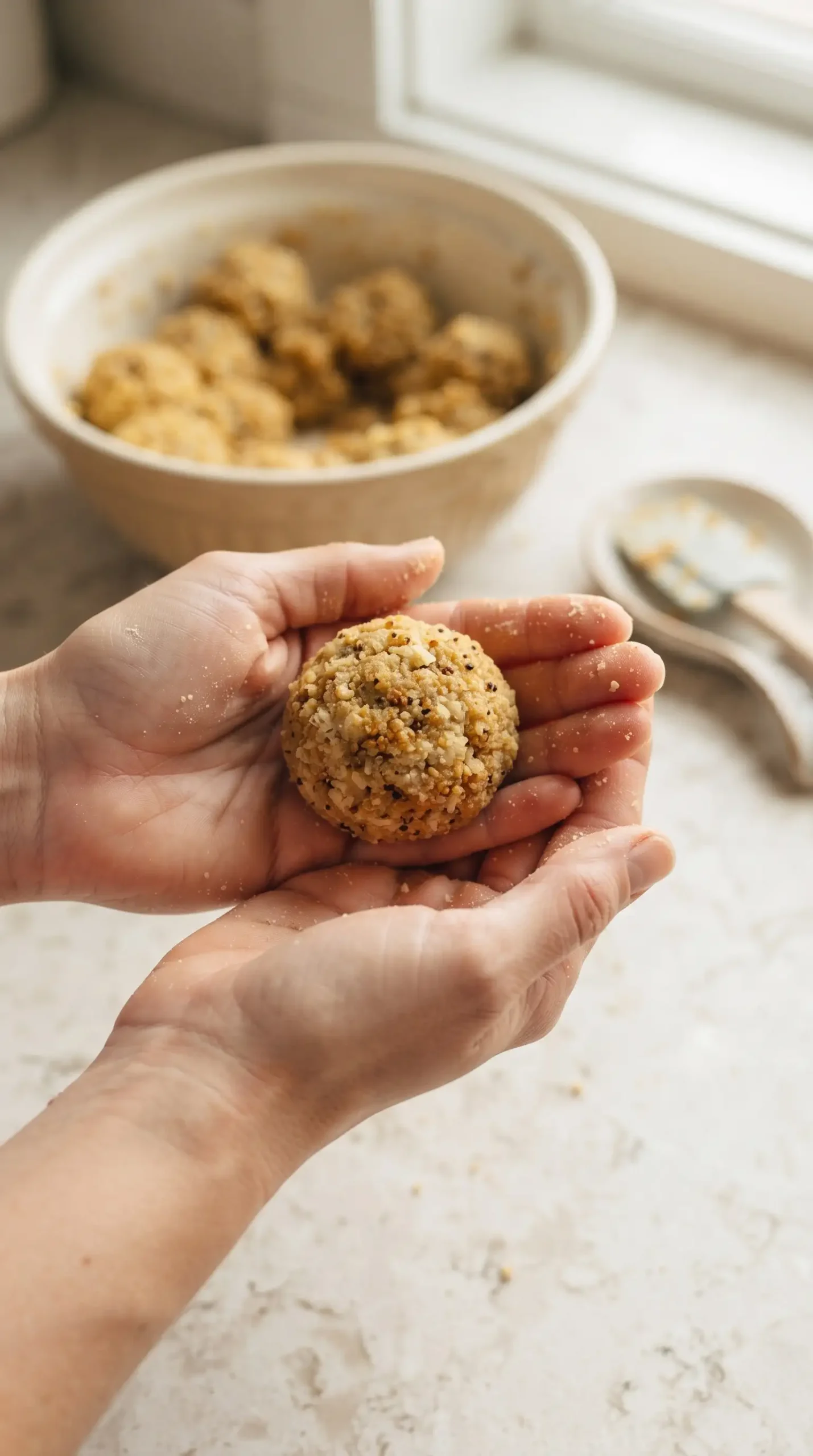
Portioning with roughly one heaping tablespoon of mixture gives the balls a manageable size for shaping and baking. Press each portion together gently, then roll it between your palms until the surface is reasonably smooth. Compacting the mixture too aggressively can make the interior dense, so use just enough pressure to make each ball hold.
Olive oil helps the baked exterior develop color
The oven provides the setting heat, while a generous brush of olive oil over the shaped balls helps the exterior become more appealing as it bakes. Arrange the balls with enough space for their surfaces to receive heat instead of crowding them tightly together. They are ready when they have baked through and developed a lightly browned exterior.
Oven timing depends partly on the size of the portions and how wet the starting mixture is, so visual cues matter alongside the stated baking time. Smaller balls can firm up quickly, while larger ones need more time for the center to set. Keeping the portions close in size makes the bake more predictable from one batch to the next.
For the 30 minute vegetarian meatballs timing to work smoothly, prepare the cauliflower and cooked grain while the oven comes up to temperature. That keeps the short cooking window focused on shaping and baking instead of leaving prepared ingredients waiting around. The process is especially efficient when using packaged cauliflower rice and a ready-to-eat cooked grain blend.
These vegetarian meatballs fit several kinds of meals
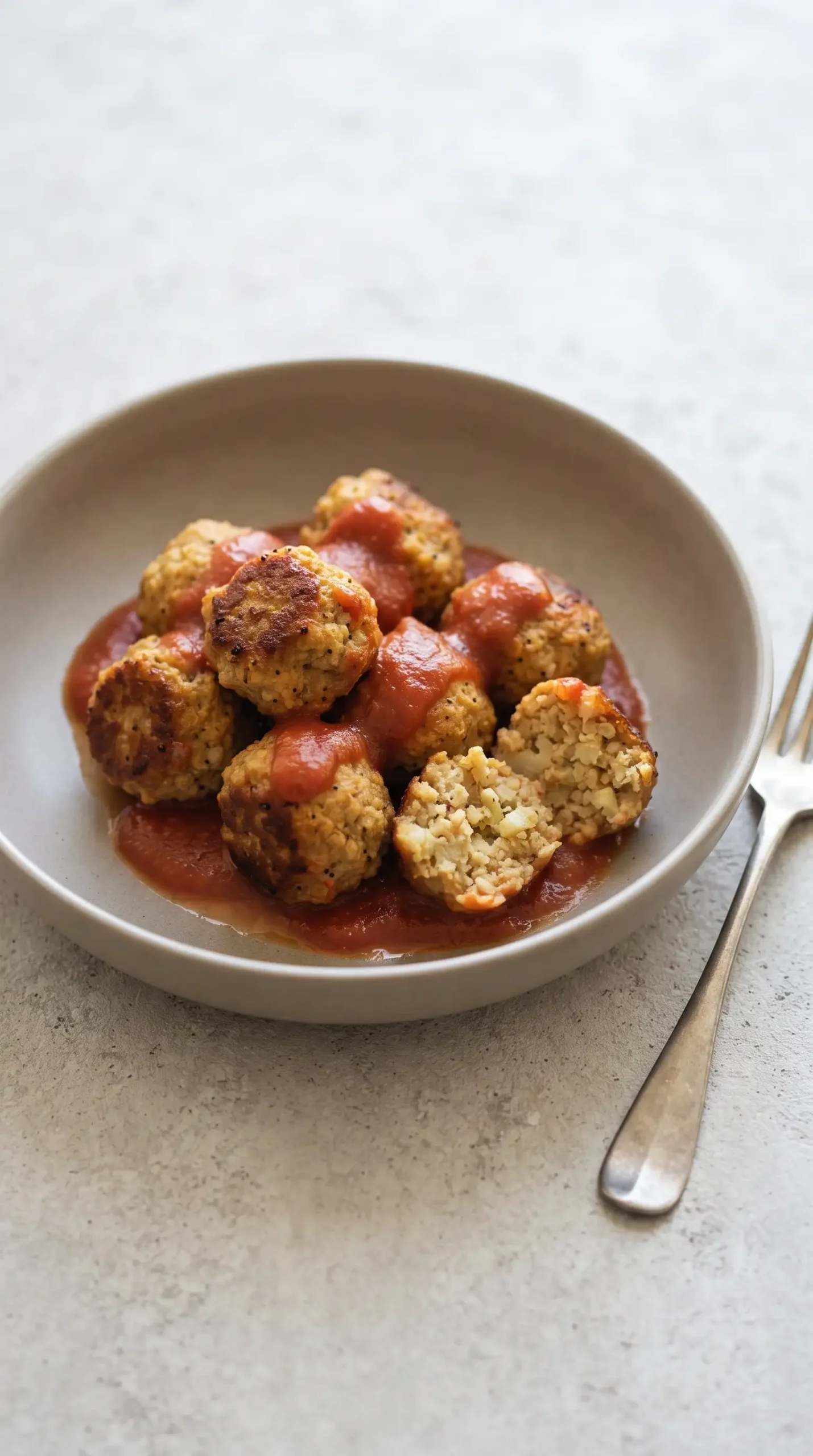
A tomato-based sauce, a creamy sauce, or a bright herb-forward accompaniment can all give the mild baked balls a different character. They also work over salads or grain bowls, where their compact texture adds substance without requiring a complicated main dish.
- With pasta: Spoon your preferred sauce over the baked balls and serve them as a vegetable-forward alternative to traditional meatballs.
- In a bowl: Pair them with cooked grains, greens, and a flavorful sauce for a filling lunch or dinner.
- Beside a salad: Use the warm balls as a substantial topping for crisp vegetables and a sharp dressing.
A few shaping mistakes can weaken vegetarian meatballs
Overly wet cauliflower is one of the easiest problems to prevent. When cauliflower carries too much water into the food processor, the finished mixture can become loose. Thoroughly draining boiled florets and following the steaming instructions for cauliflower rice helps keep the moisture under control.
Large, uneven pieces create another problem because they interrupt the cohesion of the mixture. Pulse until the cauliflower and grain are semi-smooth, then stop before everything becomes a completely uniform purée. That middle ground gives the balls enough structure while preserving some texture.
Uneven portions can also produce inconsistent results in the oven. A very large ball may remain softer in the center while a tiny one can become firmer more quickly. Keeping portions similar in size makes it easier to judge doneness and gives the batch a more consistent texture.
Freezing baked vegetarian meatballs keeps later meals practical
Baked vegetarian meatballs can be useful for later meals because they are already portioned and cooked. Let them cool before transferring them to a suitable freezer container, separating layers if needed so they do not become difficult to portion later. Reheat until hot throughout, using a method that suits the meal you are preparing.
Simple variations can change the flavor without changing the structure
The seasoning is the easiest place to vary the character of the mixture. Chili powder can bring warmth, paprika can emphasize a mellow savory profile, and cumin can make the flavor more earthy. Combining two or three of these spices gives you flexibility without changing the basic balance of cauliflower, grain, breadcrumbs, and egg.
| Variation | What changes | Best use |
|---|---|---|
| Cauliflower rice + quinoa | More distinct grain texture | Salads and grain bowls |
| Cauliflower rice + brown rice | Heartier, softer grain base | Pasta and substantial sauces |
| Chili powder + paprika | Warm, rounded spice profile | Tomato sauces and bowls |
| Cumin + chili powder | Earthier, more pronounced seasoning | Bold sauces and roasted vegetables |
Cauliflower florets require a little more moisture control
Using whole cauliflower florets works well when cauliflower rice is unavailable. Boil the florets until tender, then drain them thoroughly before processing. Because florets can retain water between their pieces, giving them a careful drain is especially useful before they meet the cooked grain and breadcrumbs.
The finished balls should be firm enough to handle and tender inside
Good vegetarian meatballs strike a useful balance: the outside should hold together when lifted, while the center should remain tender enough to eat comfortably. Semi-smooth processing, controlled cauliflower moisture, and evenly sized portions all contribute to that balance.
What readers still ask about vegetarian meatballs
Can I use cauliflower florets instead of cauliflower rice?
Yes. Boil the florets until tender and drain them well before processing them with the cooked quinoa or brown rice. The important distinction is moisture control: excess water from the boiled cauliflower can make the mixture harder to shape.
Can I use only quinoa or only brown rice?
Yes. The supplied ingredients allow either cooked quinoa or cooked brown rice, as well as a combination. Choose quinoa when you prefer a more distinct grain texture, or brown rice when you want a softer, heartier base.
Why are my vegetarian meatballs difficult to roll?
The mixture may contain more moisture than it can comfortably hold, particularly if the cauliflower was very wet. Stir thoroughly so the panko and eggs are evenly distributed, then let the mixture sit briefly while the breadcrumbs absorb some moisture before judging its consistency again.
Can I make baked vegetarian meatballs without brushing them with olive oil?
You can bake them without the oil, but the oil contributes to the exterior browning and helps the surface become more appealing as it cooks. A generous brush is therefore useful when you want more color and a lightly crisped outside.
How should I reheat frozen vegetarian meatballs?
Move the frozen portions into the refrigerator to thaw when convenient, then reheat them until hot throughout. They can also be incorporated directly into a hot sauce or bowl, provided the centers become fully heated before serving.
Vegetarian Meatballs with Cauliflower and Brown Rice
Ingredients
Method
- Preheat the oven to 400°F (204°C). Steam the cauliflower rice in the microwave according to package directions. Warm the cooked rice or quinoa the same way so it is soft. If using cauliflower florets, boil them until tender and drain.
- Add the cauliflower and quinoa or brown rice to a food processor and pulse until the mixture is semi-smooth. Transfer to a large bowl, add the remaining ingredients, and stir until evenly combined.
- Shape the mixture into small balls using about one heaping tablespoon of mixture for each ball.
- Brush the shaped meatballs generously with olive oil and bake for 20 minutes.
- Serve with sauces, salads, bowls, or freeze for later use.