
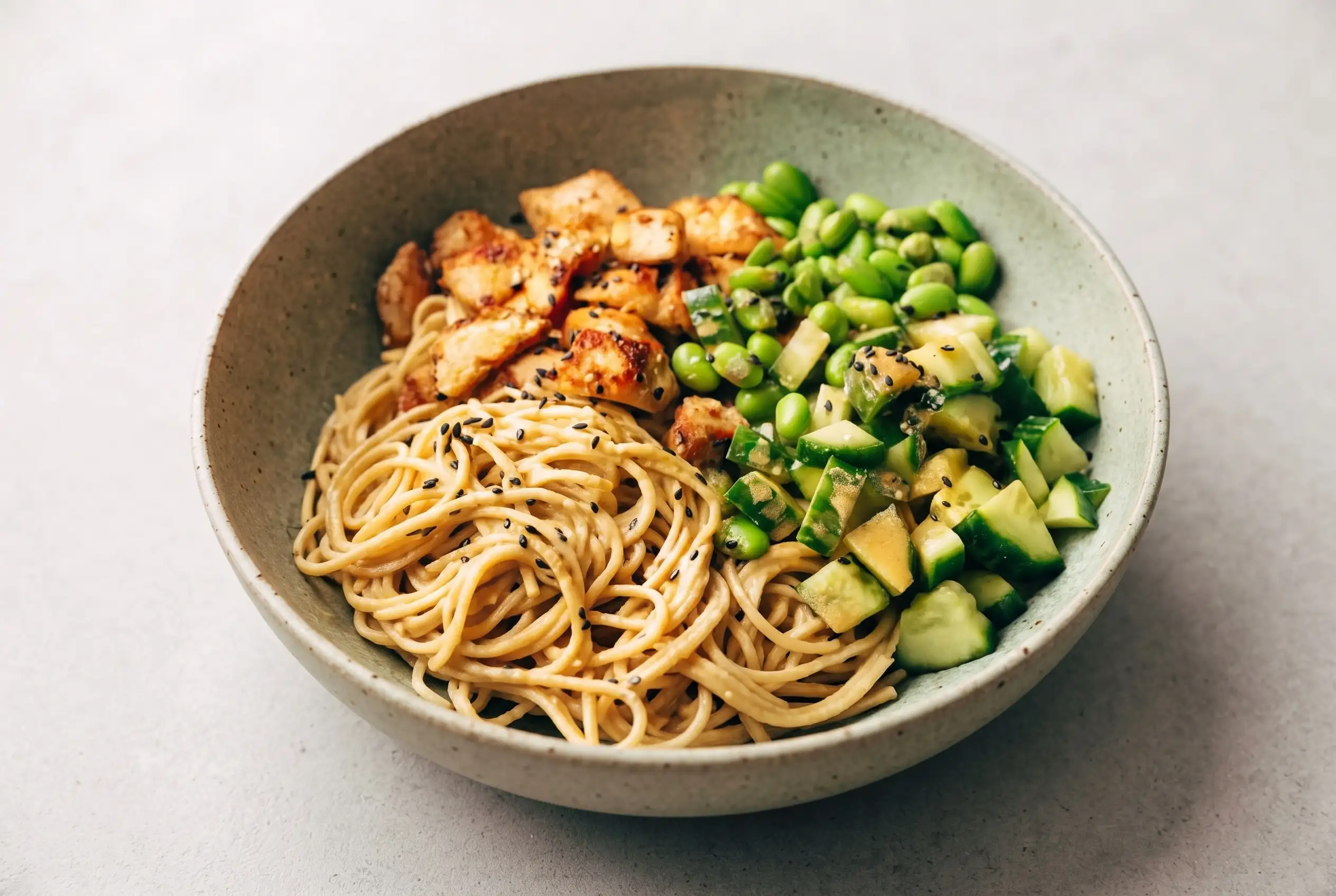
Sesame noodle bowls bring together creamy sesame sauce, springy noodles, crisp cucumber, edamame, and optional chicken in a meal prep format that keeps its appeal beyond the first serving. The combination works because the sauce is mixed separately from the textures, allowing each container to stay balanced and easy to enjoy.
Sesame noodle bowls fit busy lunches with flexible flavors
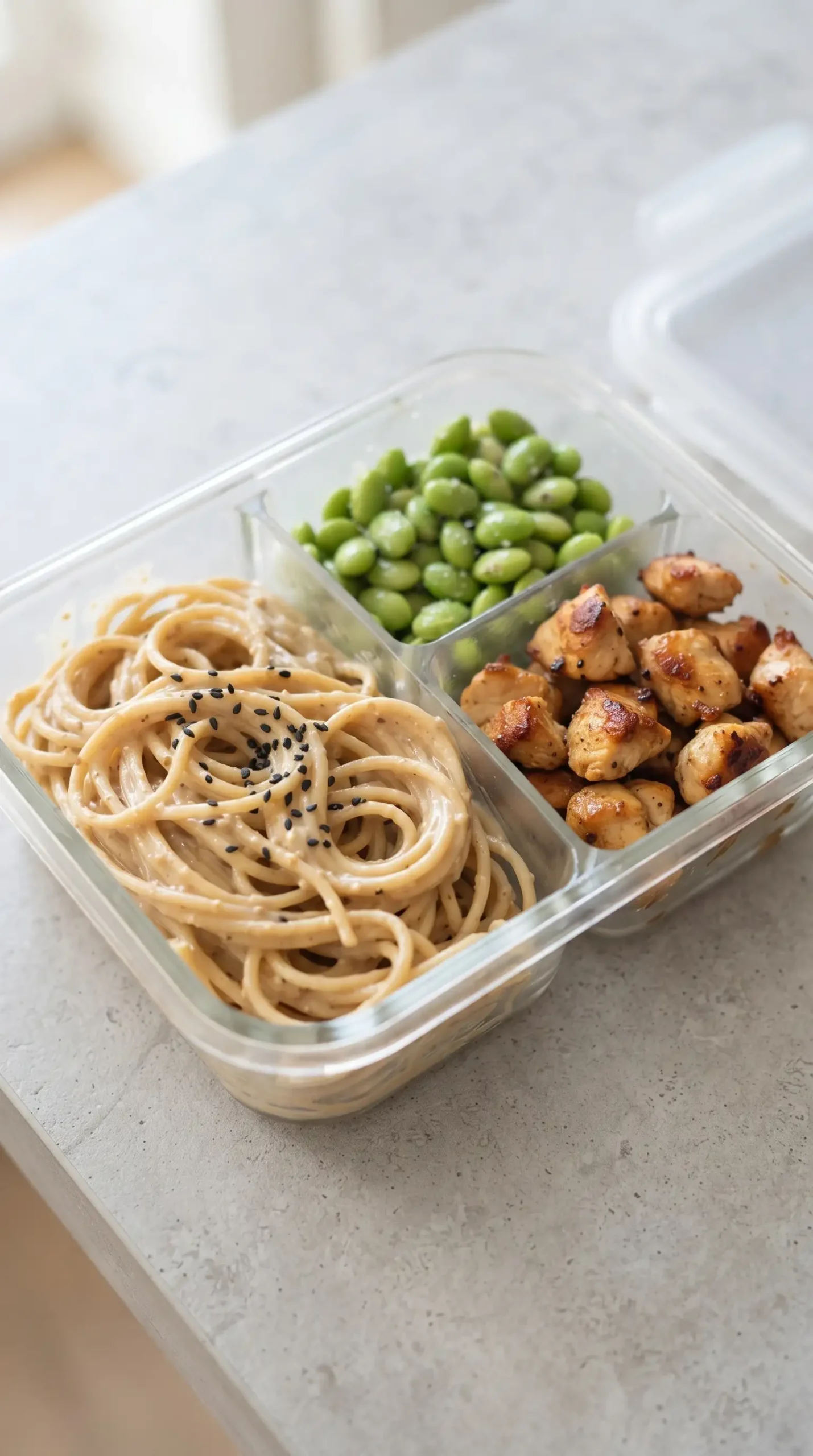
Prepared containers become more interesting when they offer contrast, and this sesame noodle bowl meal prep delivers that through chilled noodles, crunchy vegetables, savory sauce, and protein choices. The dish can move easily between a quick desk lunch, a planned dinner, or a grab-and-go option from the refrigerator.
The sesame sauce choices shape every bite
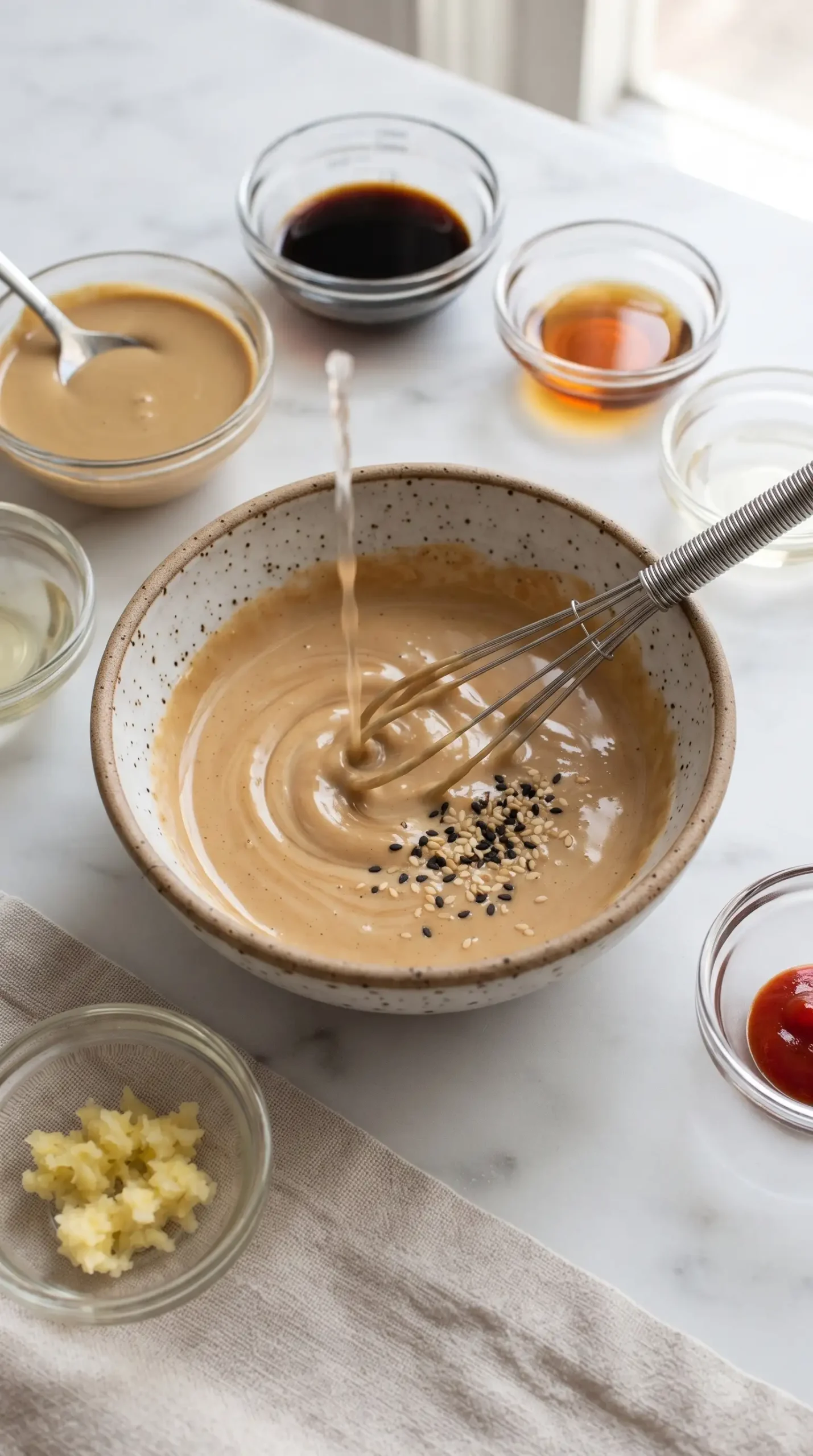
Tahini or sesame paste creates the foundation of the sauce, while warm water helps loosen it into a smooth coating for noodles. Soy sauce contributes salt and depth, sesame oil reinforces the nutty flavor, and rice vinegar keeps the mixture bright enough to pair with fresh vegetables.
Small adjustments matter when preparing sesame noodle bowls because the sauce carries most of the seasoning. A little extra sriracha changes the heat level, while a touch of sugar can soften the sharp edges of vinegar and spice without making the flavor heavy.
Choosing noodles with enough surface area helps the sauce cling evenly. Stir fry noodles and Chinese egg noodles are natural fits, while linguine can work when those options are unavailable and still provide the structure needed for a chilled meal.
Texture decisions keep cold sesame noodle bowls balanced
Fresh cucumber and cooked edamame create the contrast that makes refrigerated noodle meals more satisfying. Keeping the cucumber diced and adding it after the noodles are coated helps preserve the crisp pieces that brighten each portion.
The noodle handling details improve meal prep results
Cooking noodles slightly less than package directions allows them to hold their shape after mixing with sauce and resting in containers. Overly soft noodles can absorb moisture quickly and lose the springy texture that makes sesame noodle bowls enjoyable.
Sticky noodles need attention before storage. A quick rinse with cold water can separate strands and remove excess surface starch, making it easier for the sesame mixture to spread throughout the container instead of gathering in uneven patches.
Dividing the sauce thoughtfully also gives flexibility later. Coating the noodles first and saving some sauce for a finishing drizzle allows the meal to regain moisture when eaten after refrigeration.
Chicken sesame noodle bowls gain extra savory depth
Cooked chicken turns the noodle bowls into a more substantial meal while matching the sesame flavors already present in the sauce. Bite-sized pieces are practical because they distribute evenly among containers and make each serving easier to eat.
The chicken can stay simple with seasoning that supports the sauce instead of competing with it. Adding extra browning after cooking creates a more roasted exterior and gives the protein a stronger connection to the sesame profile.
| Protein choice | Best fit | Texture result |
|---|---|---|
| Chicken breast pieces | Full meal preparation | Tender bites with savory balance |
| No chicken | Vegetable-focused portions | Lighter bowls with noodles and vegetables leading |
| Extra edamame | Plant-based adjustment | Firm texture with added heartiness |
Common sesame noodle bowls mistakes come from storage choices
Uneven sauce coverage is one issue that can affect sesame noodle bowls. When noodles are not separated before chilling, the dressing may settle in certain areas while other bites feel underseasoned.
- Sauce thickness: Loosen sesame paste with warm water until it coats noodles smoothly.
- Noodle texture: Avoid cooking until completely soft because chilled noodles continue to absorb moisture.
- Vegetable timing: Add cucumber with the other fillings after the noodles receive their sauce coating.
Another common mistake is adding all the sauce at once without considering later servings. Keeping some available for adjustment helps refresh the bowls when they are eaten cold from the refrigerator.
Meal prep containers organize the sesame noodle bowl meal prep
Container arrangement affects how easily the bowls can be enjoyed later. Separating the noodles, vegetables, and protein into clear sections before closing the containers keeps the ingredients recognizable and makes reheating or serving decisions simpler.
Serving temperatures change the sesame noodle experience
Cold sesame noodle bowls highlight the crisp cucumber and firm noodle texture, making them a natural choice straight from the refrigerator. The flavors remain clear because the sauce is already blended and distributed through the noodles.
Warm servings offer a different experience when someone prefers a softer meal. Gently warming the noodles and protein while keeping fresh vegetables separate preserves more of the contrast that defines the bowl.
Simple variations expand sesame noodle bowls
Variations work best when they protect the core balance of creamy sauce, noodles, vegetables, and optional protein. Extra spice, additional sesame seeds, or different noodle shapes can adjust the character without changing the foundation.
- Heat adjustment: Increase or reduce sriracha based on the preferred spice level.
- Noodle swap: Choose another noodle style with enough structure to hold the sauce.
- Protein change: Use the chicken option or keep the bowls focused on edamame and vegetables.
Ingredient storage habits protect the prepared portions
Refrigeration keeps the prepared bowls convenient for several days when they are stored properly. Keeping containers sealed helps maintain freshness and prevents the sauce from affecting nearby foods.
Extra sauce can be useful after storage because noodles naturally continue absorbing moisture over time. A small addition before eating can restore the creamy texture without changing the original flavor balance.
Fresh toppings complete the sesame noodle bowls presentation
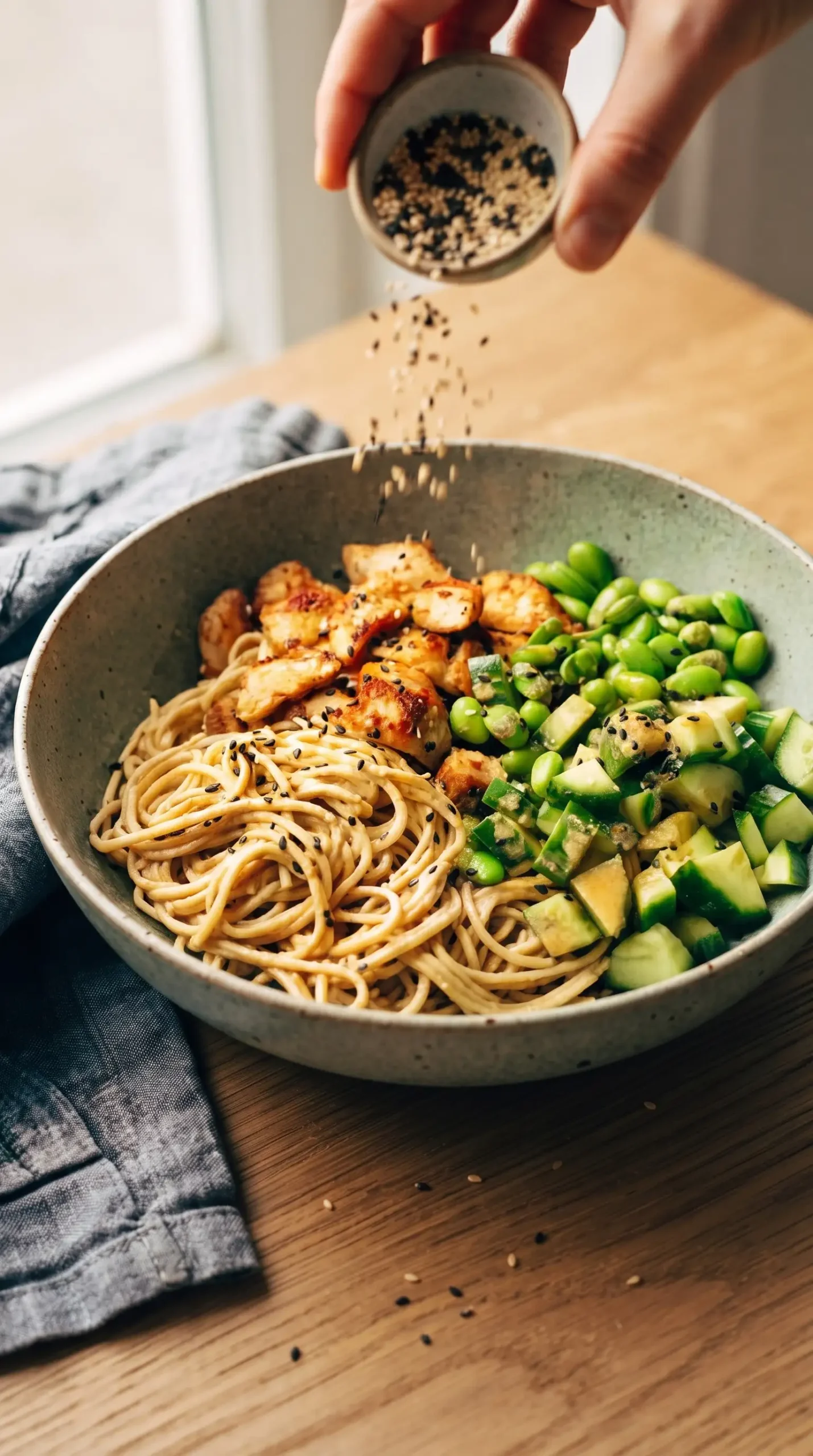
Sesame seeds provide a simple finishing touch that reinforces the main flavor direction of the dish. Adding them after portioning keeps their texture noticeable and gives each container a finished appearance.
Cooking control points refine sesame noodle bowls
The most important execution choices happen before the containers are closed. Sauce consistency, noodle texture, and ingredient timing determine whether the finished bowls stay cohesive after sitting in the refrigerator.
A smooth sauce should move easily across the noodles without becoming watery. The warm water added to the sesame paste is the adjustment point that controls how easily the mixture spreads.
Careful timing also prevents unnecessary texture loss. Mixing noodles with sauce while they are ready to absorb flavor, then adding fresh components afterward, keeps each part in its strongest form.
Sesame noodle bowls deliver balanced prep through smart assembly
Sesame noodle bowls succeed when the creamy sauce meets noodles that still have structure and vegetables that provide freshness. The strongest preparation choices focus on preserving those contrasts from the mixing stage through serving.
A prepared bowl becomes easier to enjoy when each component supports the others. The sauce provides continuity, the noodles carry flavor, and the fresh additions keep the meal lively after storage.
For prepared portions that include cooked noodles and chicken, refrigerating leftovers within two hours of cooking keeps the meal prep process aligned with safe storage timing.
Questions about storage and texture in sesame noodle bowls
Can sesame noodle bowls be eaten cold?
Yes, sesame noodle bowls are designed to work well chilled because the sauce coats the noodles before storage and the cucumber adds a fresh contrast. A brief stir before eating helps redistribute the sauce if it has settled.
How can the noodles avoid becoming too sticky?
Cooking them slightly less than the package recommendation and rinsing sticky noodles with cold water can help maintain separation. Coating them evenly with sesame sauce also reduces clumping during storage.
What makes the sesame sauce smoother?
Warm water gradually loosens sesame paste and creates a texture that spreads across noodles more easily. Mixing thoroughly until the sauce is uniform helps prevent concentrated pockets of paste.
Can chicken be prepared ahead for these bowls?
Cooked chicken can be prepared in advance and added during assembly. Bite-sized pieces work especially well because they distribute throughout the containers and pair evenly with the noodles and sauce.
How should extra sesame sauce be used?
Additional sauce can be drizzled over a portion before serving when the noodles have absorbed some moisture during refrigeration. It also allows each person to adjust the intensity of the sesame flavor.
Sesame Noodle Bowls with Chicken and Edamame Meal Prep
Ingredients
Method
- Combine the sesame paste, warm water, soy sauce, sesame oil, rice vinegar, garlic, sriracha, and sugar in a bowl. Whisk until the sauce is smooth, or blend or shake in a sealed container until combined.
- Cook the noodles for a few minutes less than the package directions recommend. If the noodles become sticky, rinse them under cold water.
- Coat the cooked noodles with about half of the sesame sauce.
- Divide the noodles, edamame, cucumber, and chicken among containers.
- Add a small drizzle of the remaining sauce and finish with sesame seeds.