
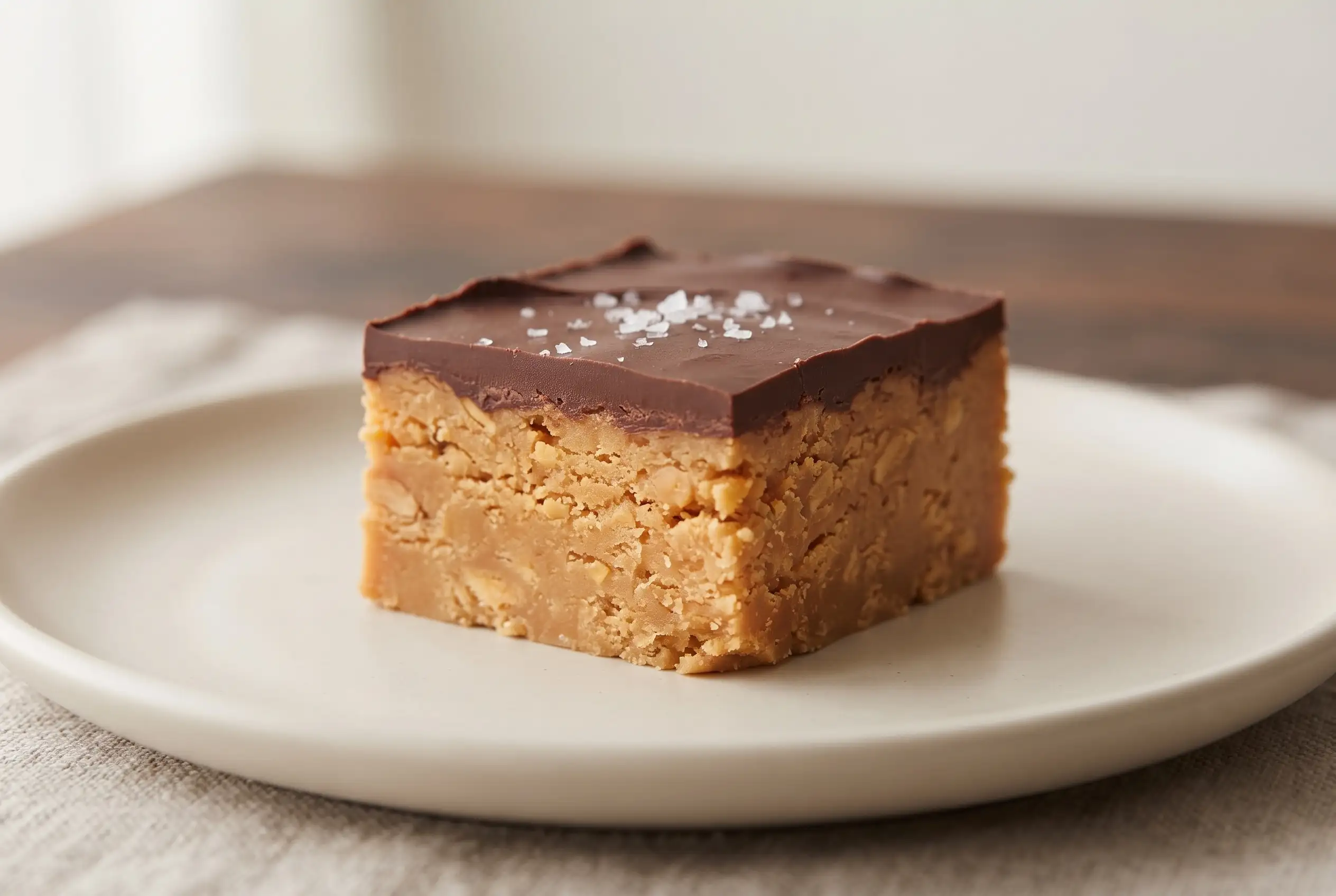
Peanut Butter Fudge Starts With a Crisp Cracker Base
Peanut butter fudge combines a creamy peanut butter center with crushed Saltine crackers, a quick cooked sugar mixture, and a chocolate topping for a homemade dessert with a distinctive texture. The crackers are not simply a filler; their fine crumbs help create the soft, sliceable structure that makes this version different from many traditional fudge recipes.
Crushing the crackers to the texture you prefer gives you control over the finished bite. Very fine crumbs create a smoother fudge, while slightly larger pieces leave more texture throughout the squares. The crumbs also make it possible to form the mixture into a firm shape after the warm sugar mixture is added.
The Peanut Butter Choice Shapes the Fudge Texture
Peanut butter is the ingredient that determines how rich and cohesive the mixture becomes. A smooth style blends easily with the cracker crumbs and warm syrup, allowing the fudge to develop an even texture when pressed into the pan.
Chocolate peanut butter fudge works because the chocolate topping adds contrast without changing the soft peanut butter base. Melting the chocolate chips separately and adding them over the cooled surface keeps the topping distinct and gives each square a simple finish.
Coarse sea salt adds a small but noticeable contrast on top. The larger flakes provide occasional salty bites that balance the sweetness from the sugar, chocolate, and peanut butter mixture.
Crushed Saltines Improve Easy Peanut Butter Fudge Recipe Results
The crushed crackers deserve careful attention because their texture affects how the mixture sets. A food processor or blender can create consistent crumbs, but the crushing time can be adjusted depending on whether you prefer a smoother or slightly textured fudge.
Saltine crackers also bring a mild flavor that works with the sweeter ingredients without competing with the peanut butter. Their dry texture allows them to absorb the warm mixture quickly, helping the fudge become a soft dough that can be shaped.
Keeping the crumbs ready before heating the sugar mixture matters because the hot mixture needs to be combined immediately after cooking. Having the peanut butter and crackers prepared prevents delays while the mixture is at the right temperature for blending.
Cooking Control Keeps Peanut Butter Fudge Firm
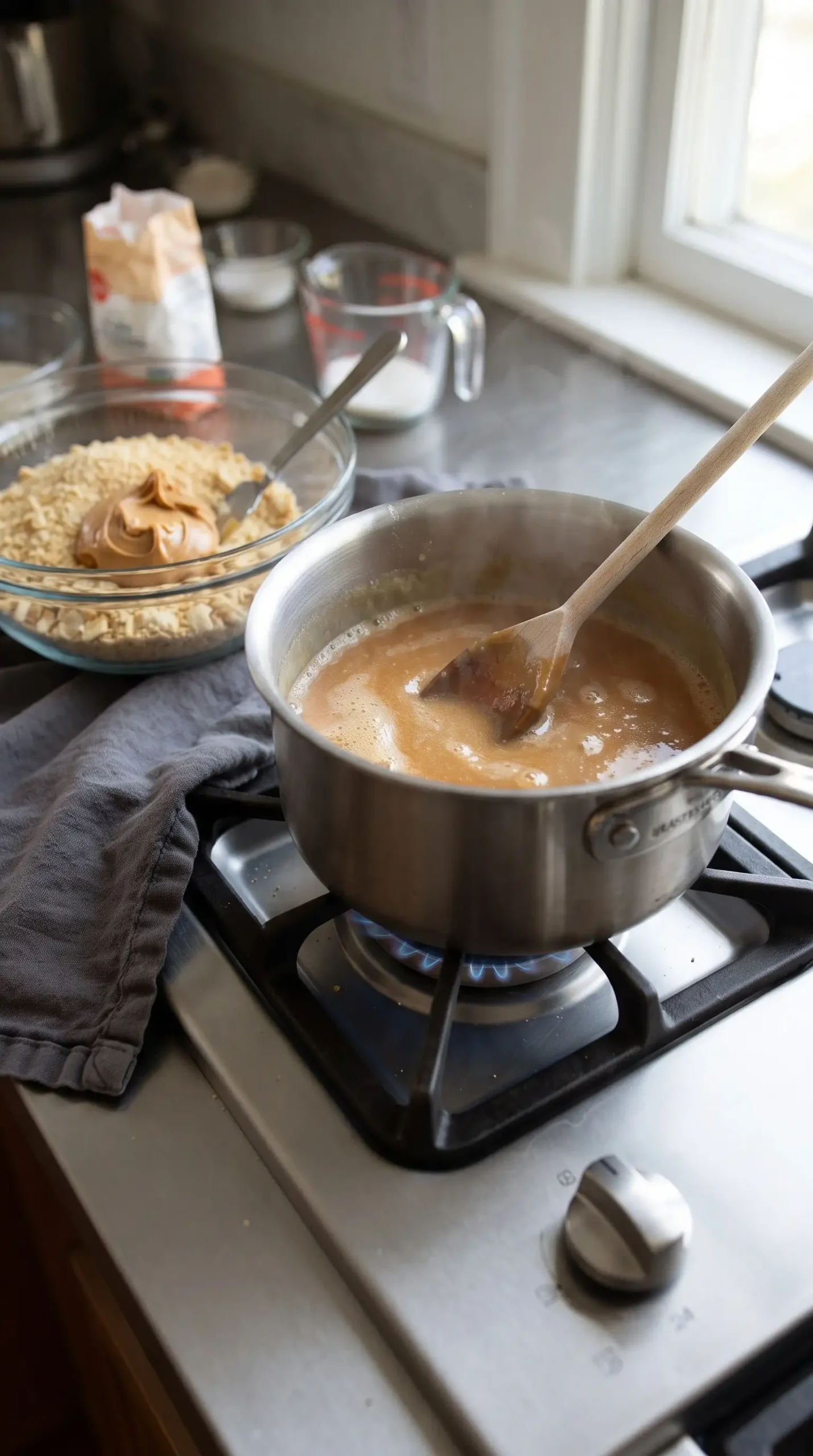
The cooking stage requires attention because the sugar, milk, and butter mixture changes quickly once it begins boiling. Watching the texture and timing helps prevent a mixture that is difficult to combine with the cracker and peanut butter base.
Medium-low heat allows the ingredients to warm together gradually. Once boiling begins, the short cooking period matters because the mixture needs enough heat to blend properly while still remaining workable when poured over the dry ingredients.
Immediate stirring after the hot mixture reaches the peanut butter and cracker crumbs creates the even consistency needed for pressing the fudge into a dish. Waiting too long can make the mixture harder to spread.
Peanut Butter Fudge Common Mistakes To Avoid
Peanut Butter Fudge mistakes usually happen during the short transition between cooking and mixing. The ingredients are simple, but the timing and texture choices determine whether the finished squares hold together well.
- Delayed mixing: Pour the warm sugar mixture over the prepared peanut butter and crumbs while it is still easy to blend.
- Uneven crumbs: Adjust the crushing process so large pieces do not prevent a consistent texture.
- Loose topping: Allow the base to become firm before adding the melted chocolate layer so the finish stays defined.
Avoiding these issues keeps the texture close to the intended soft fudge consistency. If the mixture feels difficult to spread, working quickly while it is warm is usually the most useful adjustment.
Chocolate Peanut Butter Fudge Gains a Simple Topping Layer
The chocolate chips create a separate finishing layer that changes the appearance and flavor balance of the squares. Melting them before drizzling makes it easier to distribute chocolate across the surface without disturbing the fudge underneath.
For a smoother topping, use a gentle approach when working with chocolate chips because melting chocolate evenly helps create a consistent finish. Heating carefully and stirring as needed keeps the chocolate ready for spreading over the firm fudge base.
Adding coarse sea salt after the chocolate is applied allows the flakes to remain visible and provides contrast against the smooth topping. The amount can be adjusted according to personal preference because the topping is a finishing detail.
| Topping choice | Texture effect | Best use |
|---|---|---|
| Melted chocolate drizzle | Smooth surface layer | Classic chocolate contrast over peanut butter fudge |
| Coarse sea salt | Small crunchy flakes | Balancing the sweetness of the dessert |
| No topping | Soft peanut butter texture remains unchanged | When a simpler finish is preferred |
Peanut Butter Fudge Texture Depends on Cooling
Cooling allows the pressed mixture to become firm enough for clean slices. The fudge sets quickly once chilled, making the resting period an important part of achieving neat squares.
The parchment-lined dish option can make removal easier because the firm fudge can be lifted before cutting. A glass baking dish also works well when you prefer to slice directly from the pan.
Serving Peanut Butter Fudge With Clean Square Cuts
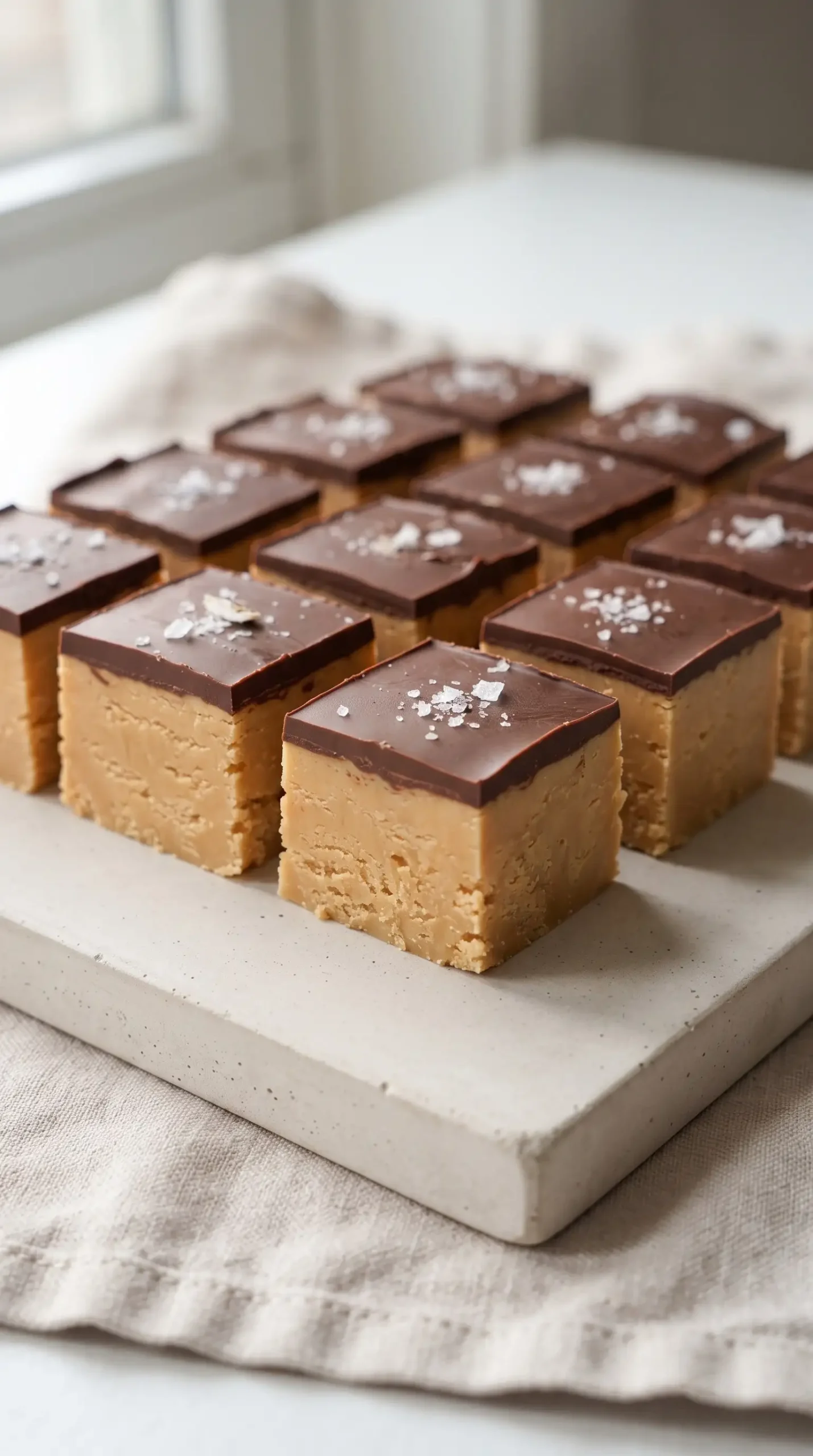
Cutting the fudge after it has firmed gives the sharpest edges. A knife can be cleaned between cuts if needed to keep the chocolate topping from dragging across the surface.
Smaller squares are useful when serving a sweet dessert with a rich peanut butter flavor. The firm texture also makes the pieces easy to arrange on a plate or store in a container.
Storage Choices Protect Peanut Butter Fudge Quality
Proper storage helps maintain the soft texture created by the peanut butter and cracker mixture. Keeping the squares covered protects the surface from drying out and helps preserve the chocolate topping.
Refrigeration can make the fudge firmer, which some people prefer for slicing. Allowing pieces to sit briefly before serving can soften the texture again if they have been chilled.
Peanut Butter Fudge Offers Flexible Serving Variations
The basic flavor profile can be adjusted without changing the structure of the dessert. The chocolate topping can be varied, or the amount of sea salt can be changed to match different preferences.
- Chocolate finish: Keep the drizzle for a stronger chocolate peanut butter combination.
- Simpler surface: Skip the topping when you want the peanut butter flavor to lead.
- Texture choice: Change the cracker crumb size for a smoother or more textured bite.
These adjustments work because the main structure comes from the interaction between the cooked sugar mixture, peanut butter, and crushed crackers.
10 Minute Peanut Butter Fudge Fits Quick Dessert Planning
10 minute peanut butter fudge is designed around a short preparation process that focuses on organization. Having the crumbs and peanut butter ready before heating the saucepan mixture makes the transition between steps much easier.
The recipe style is useful when a homemade dessert is needed without a long preparation period. The small number of components also makes it approachable for cooks who want a straightforward candy-style treat.
Peanut Butter Fudge Ingredients Work Together Differently
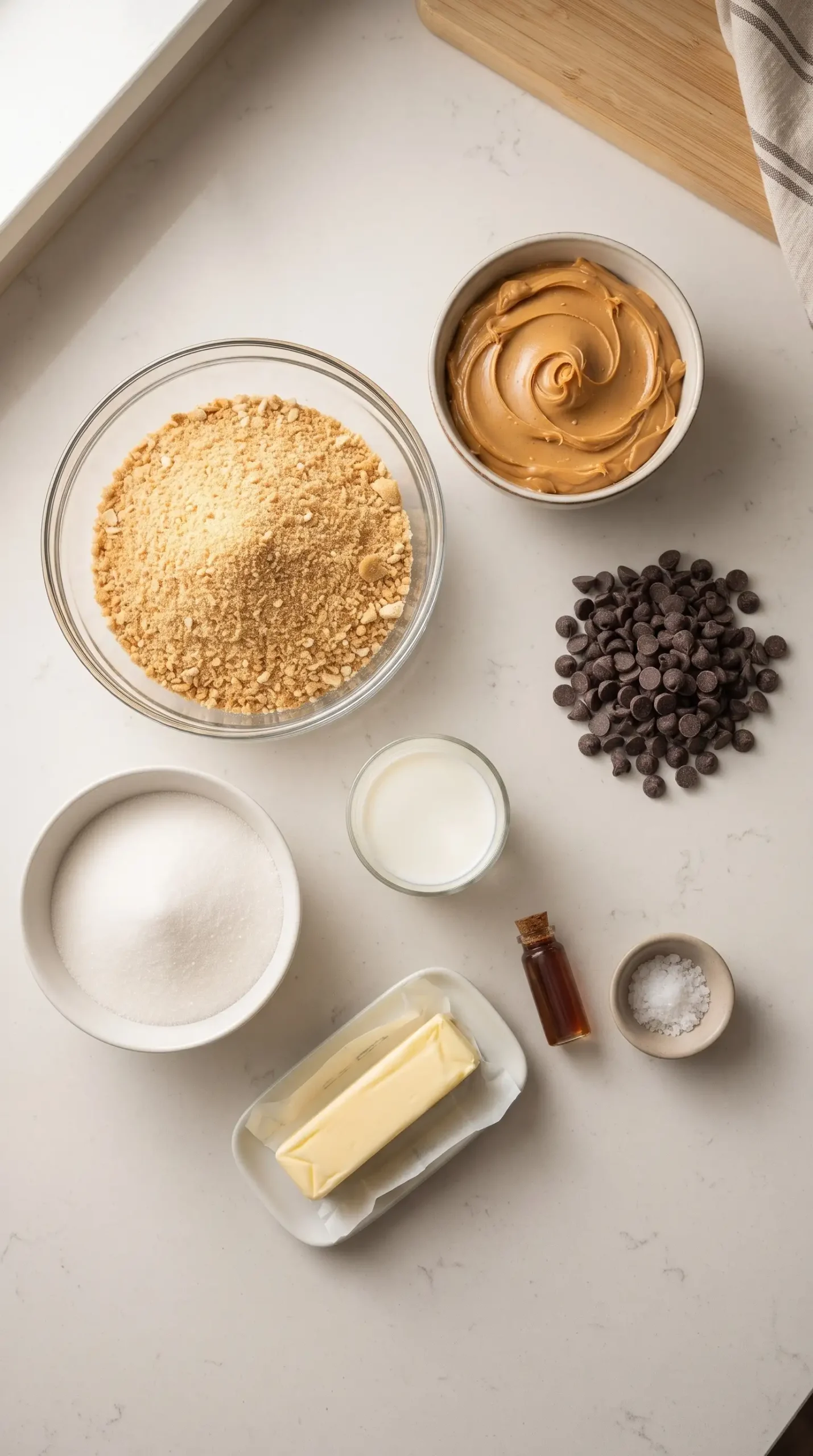
Each part of peanut butter fudge has a specific role, but the ingredients become most effective when combined. The sugar mixture provides sweetness and binding power, while the peanut butter and crackers create the body of the fudge.
Butter contributes richness to the cooked mixture, and vanilla adds a familiar dessert flavor. Chocolate chips and sea salt are applied afterward, creating a finished layer that contrasts with the softer base.
Peanut Butter Fudge Preparation Benefits From Organization
Preparation before cooking reduces unnecessary pauses during the most time-sensitive part of the process. Measuring the ingredients, crushing the crackers, and having the pan ready creates a smoother workflow.
A prepared workspace is especially helpful because the cooked mixture is poured while warm. The fudge texture develops through quick combining and pressing, so the surrounding steps should already be in place.
Peanut Butter Fudge Brings Together Texture and Timing
Peanut butter fudge succeeds because the texture depends on several small decisions working together. The crumb size, cooking point, mixing speed, and cooling time all influence how the finished squares feel when cut and served.
Understanding those choices makes the recipe easier to repeat. The process is less about complicated techniques and more about noticing when each stage has reached the right consistency.
Peanut Butter Fudge Shows Why Quick Handling Matters
Peanut butter fudge becomes firm and sliceable when the warm cooked mixture is combined with the prepared base at the right moment. The most important judgment is recognizing that the mixture moves from pourable to workable quickly, so preparation and timing directly affect the final texture.
Peanut Butter Fudge Troubleshooting Questions and Answers
Why does my peanut butter fudge feel too soft after cooling?
A soft texture can happen when the mixture has not had enough time to firm up or when the balance of crumbs and peanut butter creates a looser consistency. Chilling the fudge can help it become easier to cut.
Can I make peanut butter fudge without the chocolate topping?
Yes, the chocolate layer is a finishing option and can be left off when you prefer a simpler peanut butter flavor. The base mixture still provides the main fudge texture.
How finely should Saltine crackers be crushed for peanut butter fudge?
The crumbs can be adjusted based on your preferred texture. Fine crumbs create a smoother result, while slightly larger pieces add more noticeable texture throughout the squares.
What causes peanut butter fudge to be difficult to spread?
The mixture can become harder to spread as it cools after combining. Pressing it into the prepared dish soon after stirring helps create an even layer.
How should chocolate chips be added to the top?
Melt the chocolate chips and drizzle them over the firm surface so the topping stays separate from the peanut butter base. Sea salt can then be added while the chocolate is still soft enough to hold the flakes.
Peanut Butter Fudge with Chocolate Topping and Sea Salt
Ingredients
Method
- Crush the crackers into fine crumbs, adjusting the texture based on the desired amount of crunch. Add the crumbs to a large mixing bowl with the peanut butter.
- Line a 9-inch glass baking dish with parchment paper if desired.
- Combine the sugar, milk, and butter in a saucepan over medium-low heat. When the mixture reaches a boil, cook for 1 minute while it becomes slightly frothy.
- Remove the saucepan from the heat and immediately pour the mixture over the crackers and peanut butter. Add the vanilla and stir until everything combines into an even, soft dough.
- Press the fudge mixture into the prepared 9-inch glass baking dish. Allow it to cool for at least 1 hour or until firm enough to cut into squares.
- Melt the chocolate chips and drizzle the chocolate over the fudge. Sprinkle coarse sea salt over the topping.